
Fence, gate & outdoor work
Fence Repair & Replacement
A good repair decision addresses why the fence failed, not only the most visible broken board, panel, post, or gate.
Send wide and close photos showing the full run, damaged components, posts at grade, connections, alignment, gates, nearby vegetation, drainage, and access. That context helps compare a targeted repair, section replacement, or broader rebuild.
Request an estimate
Useful for
Leaning, loose, storm-damaged, rotted, rusted, missing, misaligned, or repeatedly failing fence sections and gates.
Key choice
Failure cause, post condition, extent of damage, matching material, remaining fence life, access, and the desired final result.
Send first
Property location, approximate length, gate openings, access notes, slope or grade changes, removals, and helpful photos.
Coverage
Nicholasville-centered requests plus nearby communities are reviewed from the actual property address.
Start with the outcome
What fence repair & replacement can help organize
A useful scope connects the material and layout to how the property needs to work.
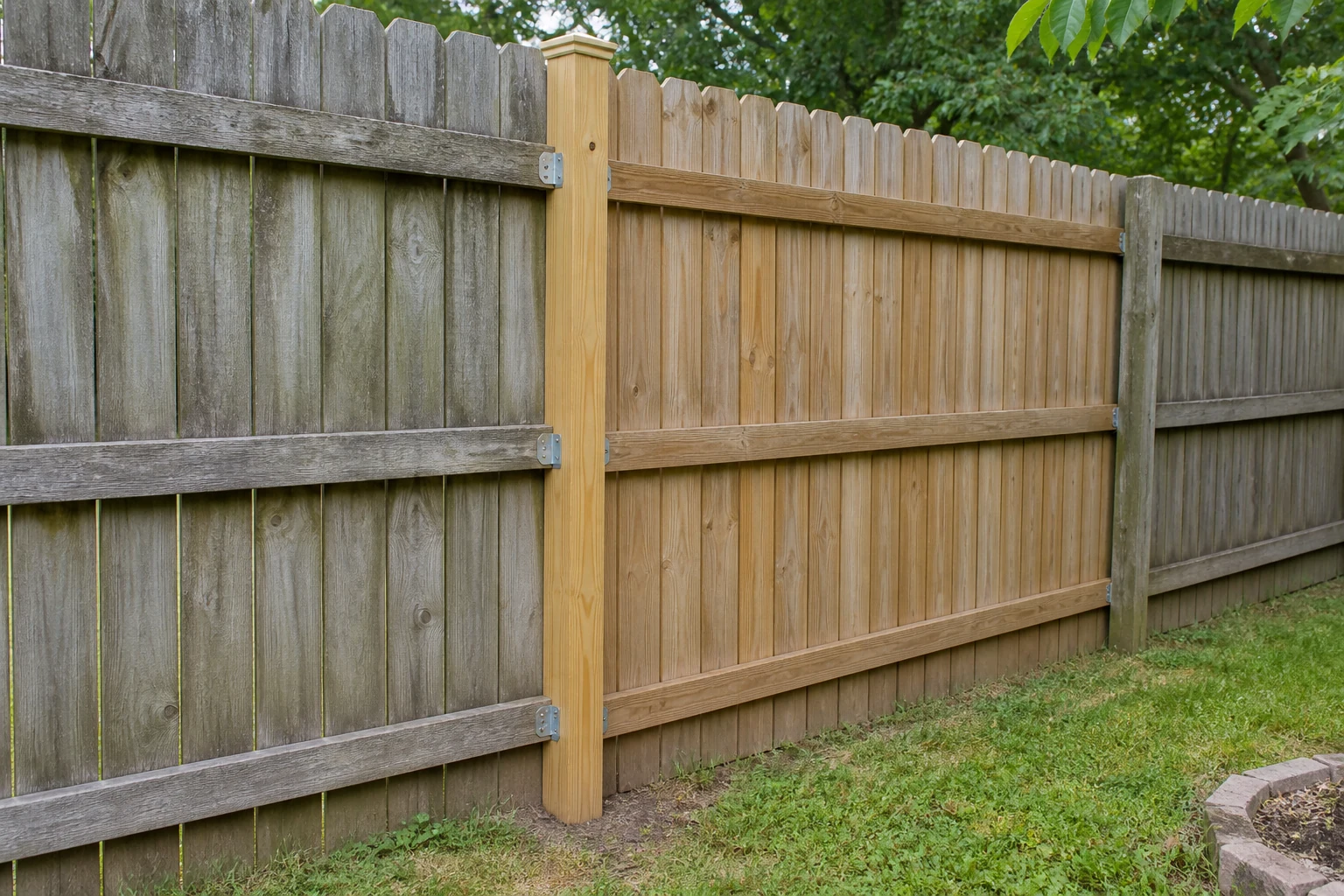
See the whole failure
Wide photos and post-level details can reveal whether the visible damage is isolated or part of a longer weak run.
Compare sensible paths
Repair, partial replacement, and full replacement can be considered against condition, matching, use, and future plans.
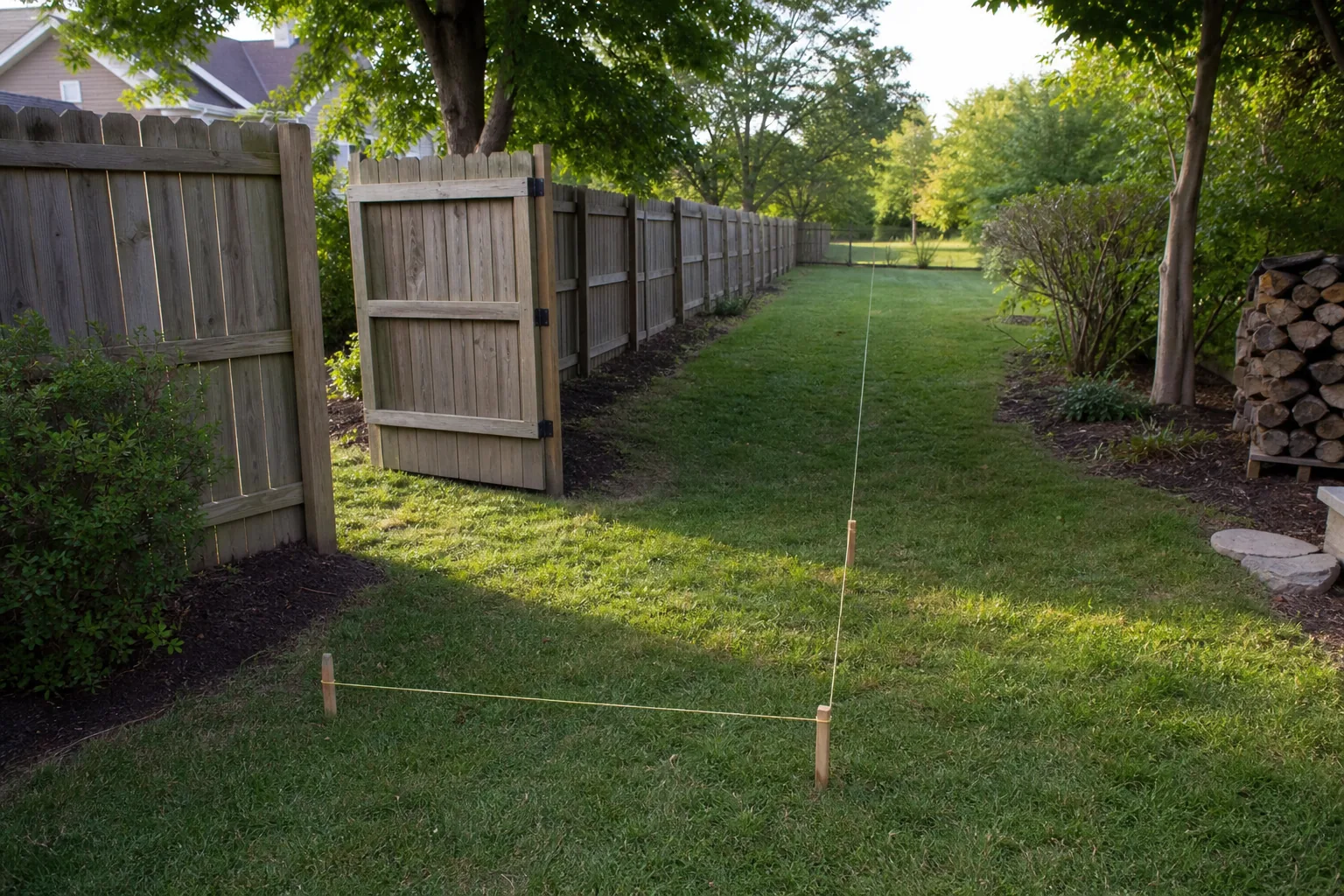
Reduce repeat problems
Drainage, grade, impact, vegetation, hardware, or movement can be documented instead of replacing one symptom blindly.
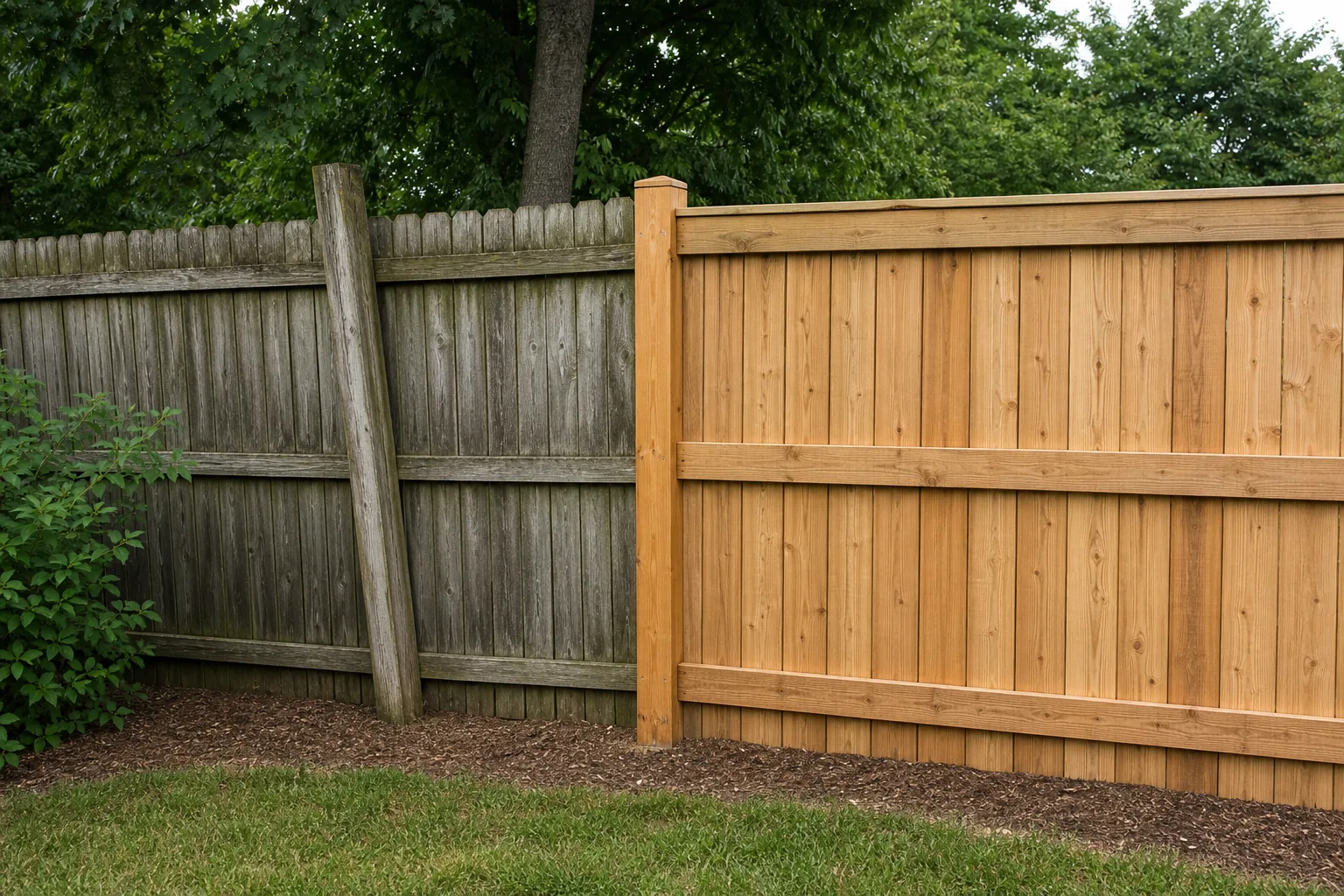
Project detail
Fence repair and replacement
Notice the affected component, adjoining material, post and connection condition, alignment, and transition between retained and replacement work.
Make the decision concrete
Where fence repair & replacement fits
Start with the intended use, then review the site conditions and choices that can change the scope.
Good fit when
Repair is most useful when sound components remain and the cause can be corrected within a defined area. Replacement becomes more practical when posts, rails, panels, hardware, or alignment are failing across the run, or when matching and repeated service would create a patchwork result.
- Leaning, loose, storm-damaged, rotted, rusted, missing, misaligned, or repeatedly failing fence sections and gates.
- A defined fence line, a clear use for the enclosure, and enough property detail to compare a practical scope.
- Key choices: failure cause, post condition, extent of damage, matching material, remaining fence life, access, and the desired final result.
- The property details can be documented without relying on unsupported assumptions.
Scope-changing details
Photos support initial review but do not prove concealed post, footing, soil, corrosion, or structural condition. Repair feasibility and matching depend on what remains serviceable and what components are available. A written scope should identify retained and replaced work clearly.
- Number and type of failed components across the full run
- Post movement, rot, rust, impact, drainage, grade, or hardware failure
- Availability of matching boards, panels, rails, fabric, posts, and finish
- Whether the existing layout still meets privacy, access, and appearance goals
Record known conditions, open questions, and unresolved responsibilities before materials or layout are treated as settled.
Compare practical directions
Fence Repair & Replacement options and use cases
These are planning categories, not promises that every system or variation fits every site.
Targeted repair
A limited issue may support component repair when adjoining posts and structure remain usable.
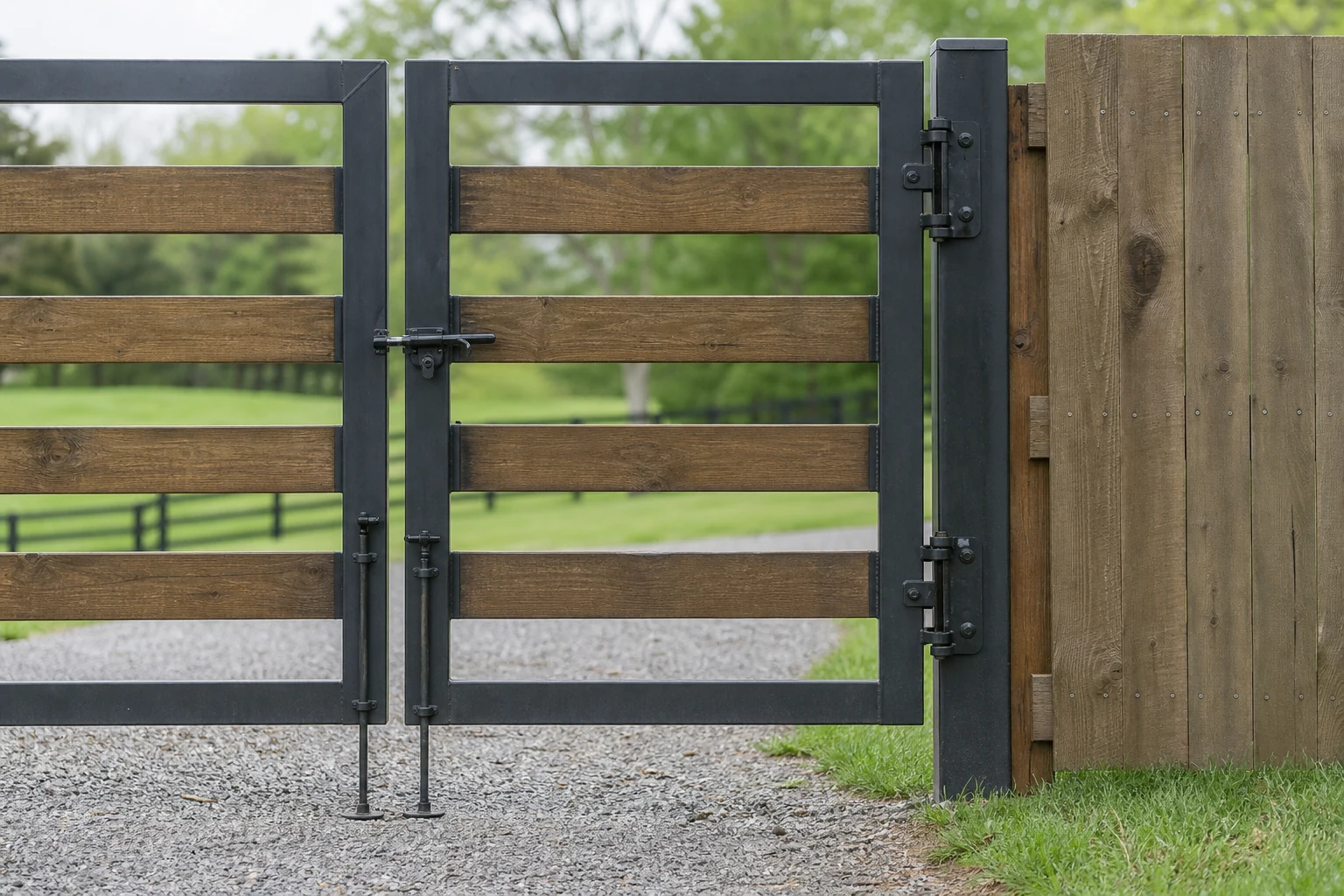
Section replacement
One run or gate area can sometimes be rebuilt while sound sections are retained and transitions are planned.
Full replacement
Widespread deterioration or a changed enclosure goal may make a complete new layout more coherent.
Gate correction
Sag, latch problems, misalignment, weak posts, or grade interference may be evaluated as a focused access issue.
Project detail
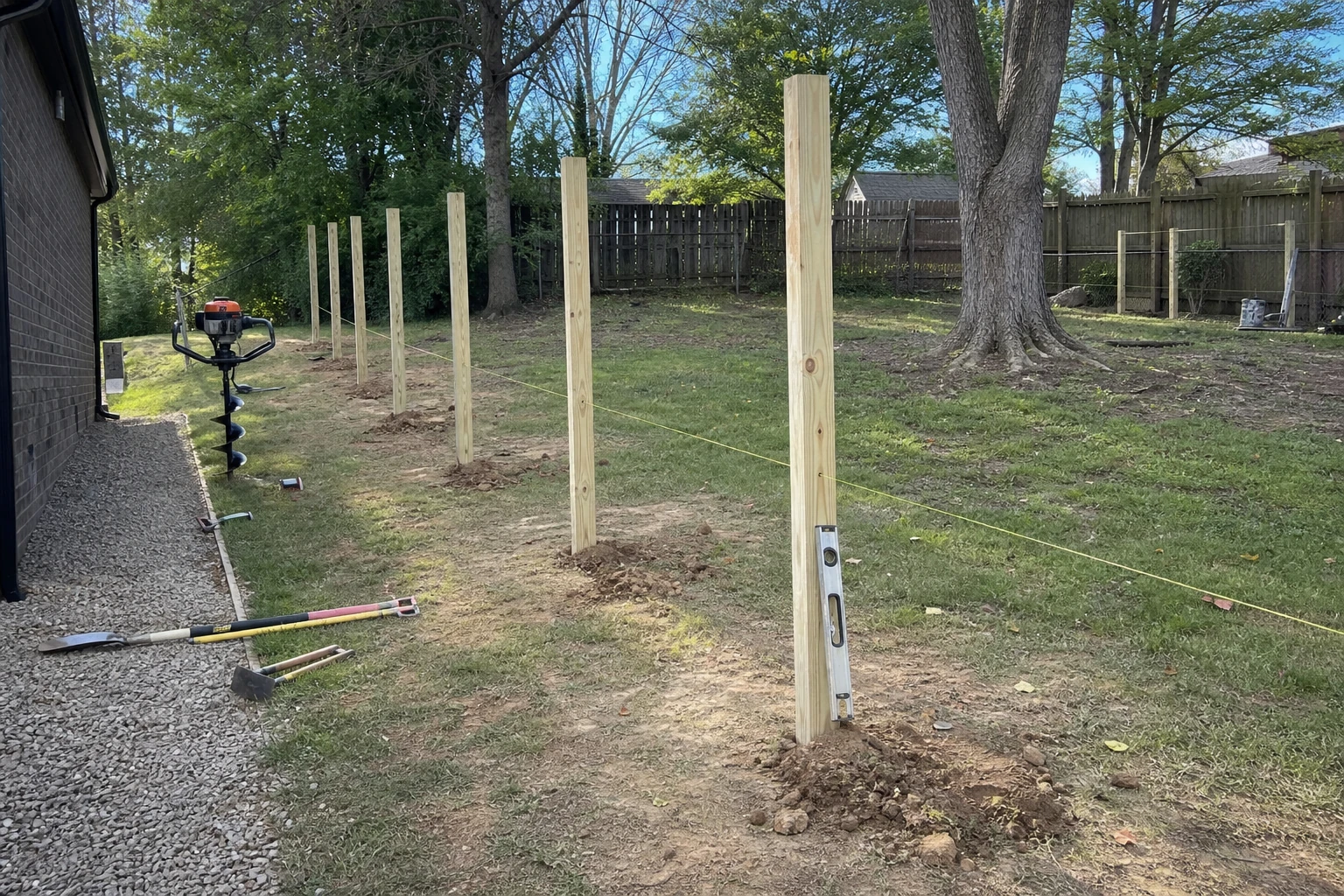
Fence post installation
Notice the material profile, post and rail pattern, grade response, openings, and transitions that connect the fence system to the property.
A clear path
From request to a defined fence repair & replacement scope
The same four-step rhythm keeps project details, site context, decisions, and next actions easy to follow.
Share the location
Send the property address, contact details, desired outcome, approximate dimensions, and the photos that explain the route or work area.
Show the conditions
Document grade, access, existing materials, structures, hardscape, vegetation, drainage, utilities, and every gate or transition.
Compare the scope
Review the fence repair & replacement direction, exclusions, owner responsibilities, material choices, and any information still needed.
Confirm next steps
Use the written conversation to confirm what is being considered before treating layout, material, preparation, or approvals as settled.
Prepare a useful request
Measure broadly, photograph clearly, and label uncertainty
Include these project details
A rough sketch and overlapping photos usually explain more than one close-up image.
- Photograph every damaged area plus the complete fence line
- Show posts at the ground, rails, connections, hardware, and bottom gaps
- Describe when the issue started and any storm, impact, drainage, or movement
- State whether exact matching, functional repair, or a new appearance is the priority
Confirm the site context
Keep measurements, photos, access, and responsibilities clear before the scope is finalized.
- Label preliminary measurements as approximate and identify any uncertain endpoints
- Show corners, openings, grade changes, adjoining work, and the full access route
- Photograph transitions and constraints from more than one useful angle
- Confirm property-line, utility, HOA, permit, and code responsibilities separately
Common questions
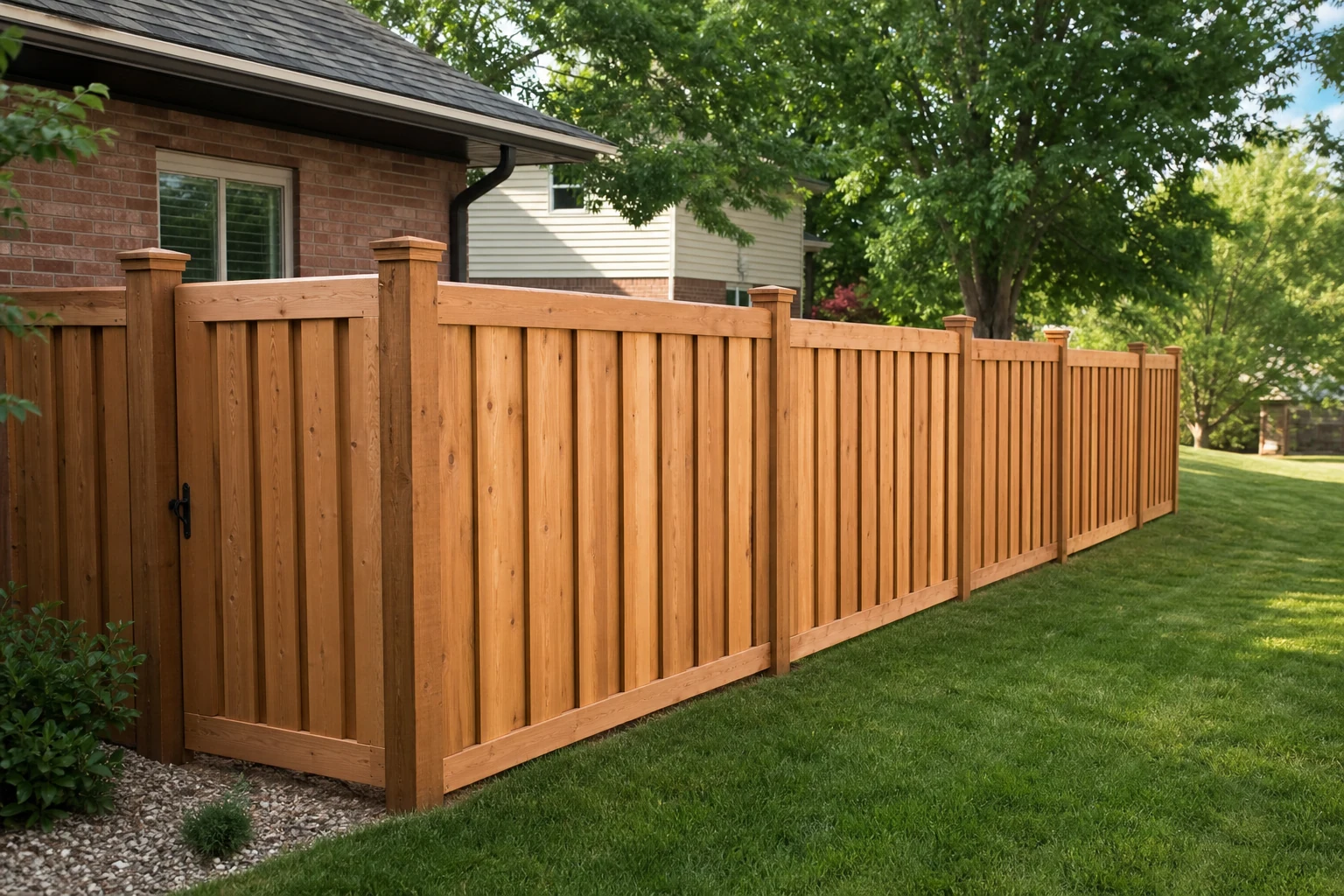
Fence Repair & Replacement FAQ
These answers frame the first conversation. Site conditions and the requested scope still control the project details.
How do I know whether to repair or replace?
Consider failure extent, post and rail condition, matching materials, repeated problems, desired life, and whether the layout still serves its purpose.
Can one leaning post be replaced?
Possibly, but the adjoining rails, panels, gate loads, soil, footing, alignment, and reason for movement need review.
Can a new section match old fencing exactly?
Exact matching may be limited by weathering, discontinued profiles, dimensions, finishes, and component availability. State how much variation is acceptable.
What storm-damage photos help?
Show the full run, both sides, impact or fallen material, every displaced post, connections, gates, and nearby hazards from a safe position.
Should I remove broken fence before requesting help?
Not unless needed for immediate safety and you can do so safely. Clear photos of the original failure can help explain the condition.
Get your free estimate
Send the details that shape the work.
For fence repair & replacement, send the property location, intended result, approximate dimensions, material direction, gates or openings, existing conditions, access constraints, and clear photos. Do not wait for perfect drawings; label rough information honestly so the first review starts from useful facts.
Request a KY Fencing Works estimate
Share the property location, the work you need, useful dimensions, access notes, and any helpful photos.