
Fence, gate & outdoor work
Wood Fence Installation
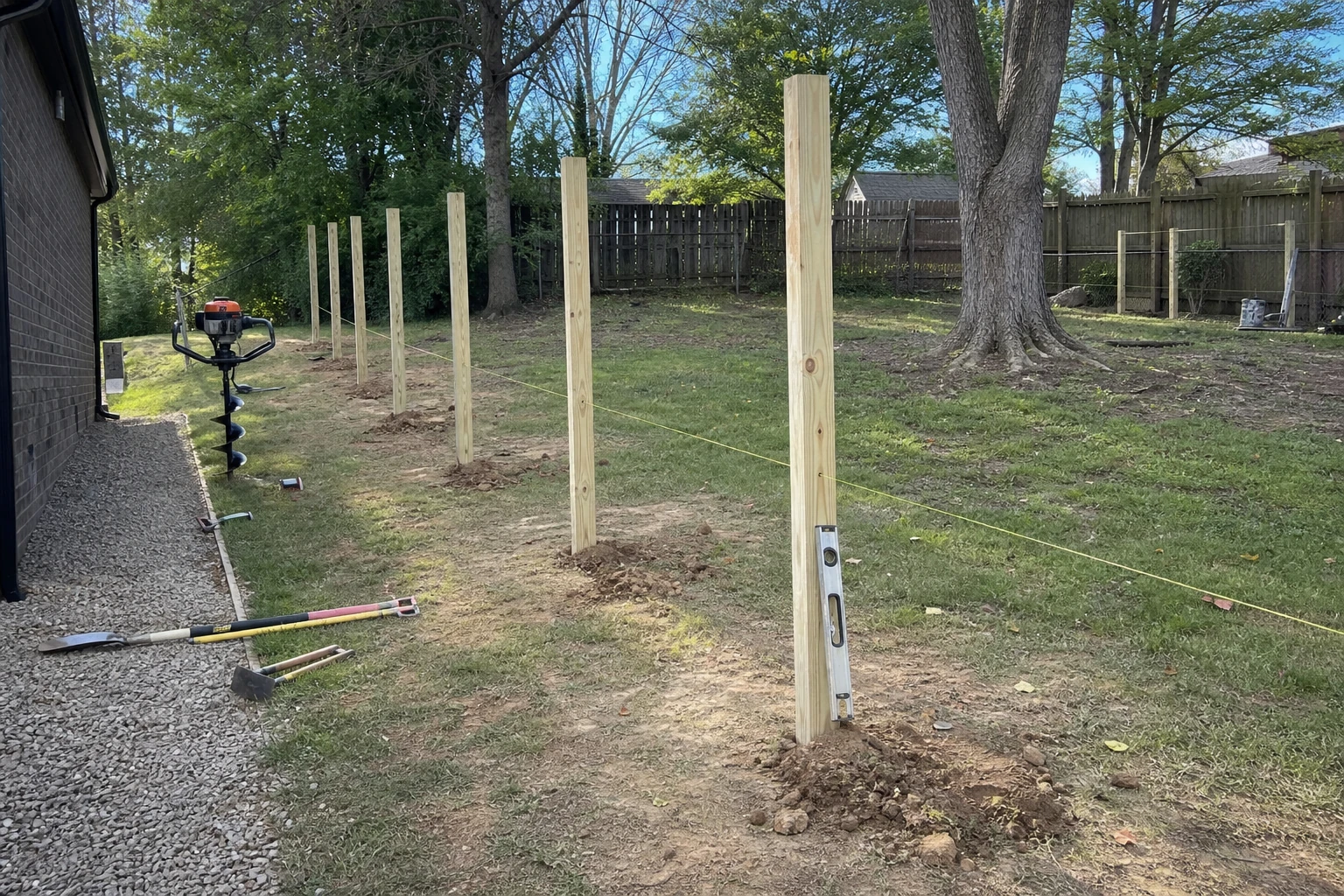
Wood fencing can serve privacy, boundary, decorative, farm, and access goals, but the best layout depends on far more than the material name.
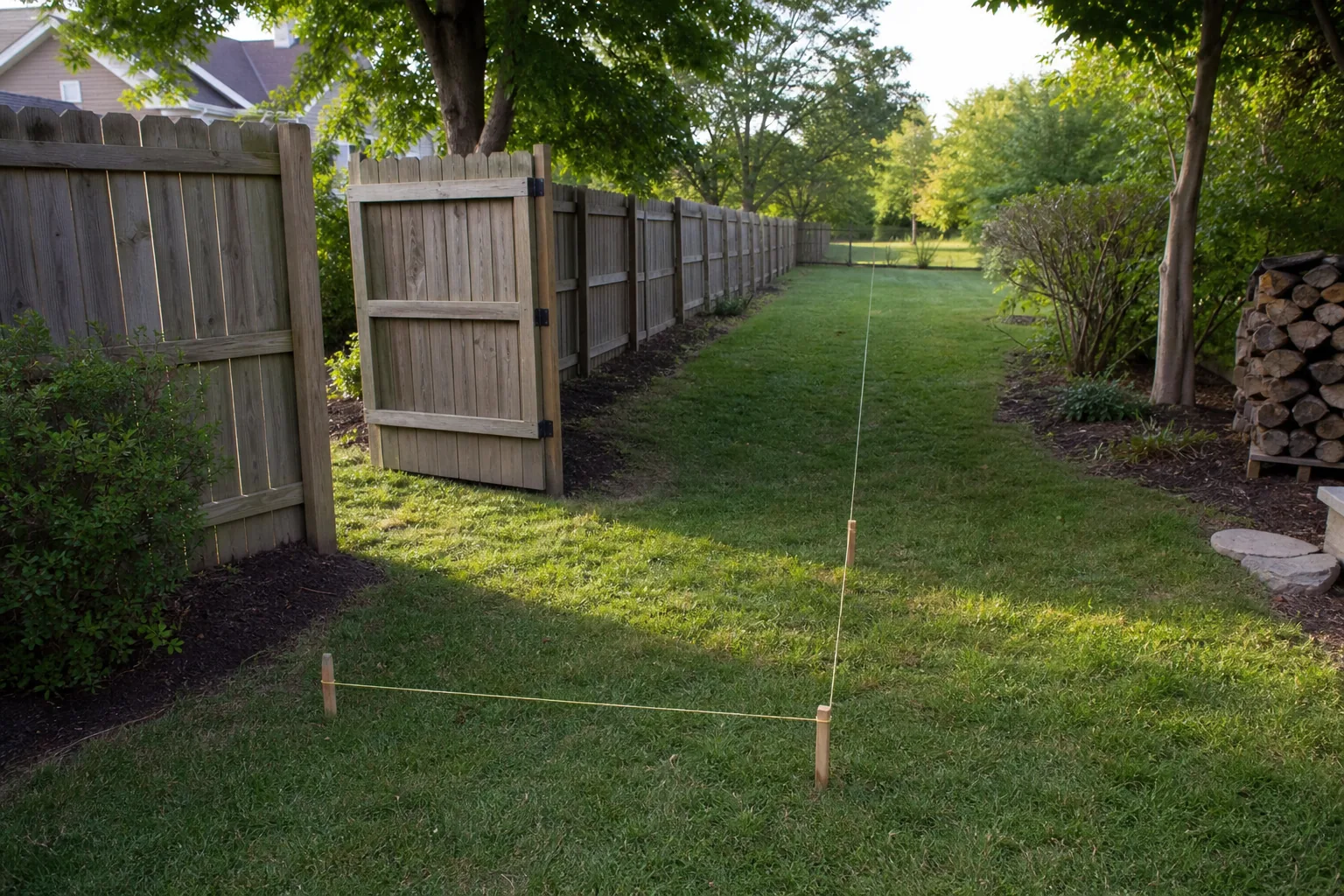
A useful wood fence request shows the full line, intended height, preferred profile, gate locations, grade, access, and finish direction. These details help separate a privacy fence, picket fence, board fence, or rail layout into a clear scope.
Request an estimate
Useful for
Properties that benefit from adaptable field-built layouts, traditional profiles, or a natural material appearance.
Key choice
Fence profile, board spacing, finished height, post layout, wood selection, and finish expectations.
Send first
Property location, approximate length, gate openings, access notes, slope or grade changes, removals, and helpful photos.
Coverage
Nicholasville-centered requests plus nearby communities are reviewed from the actual property address.
Start with the outcome
What wood fence installation can help organize
A useful scope connects the material and layout to how the property needs to work.
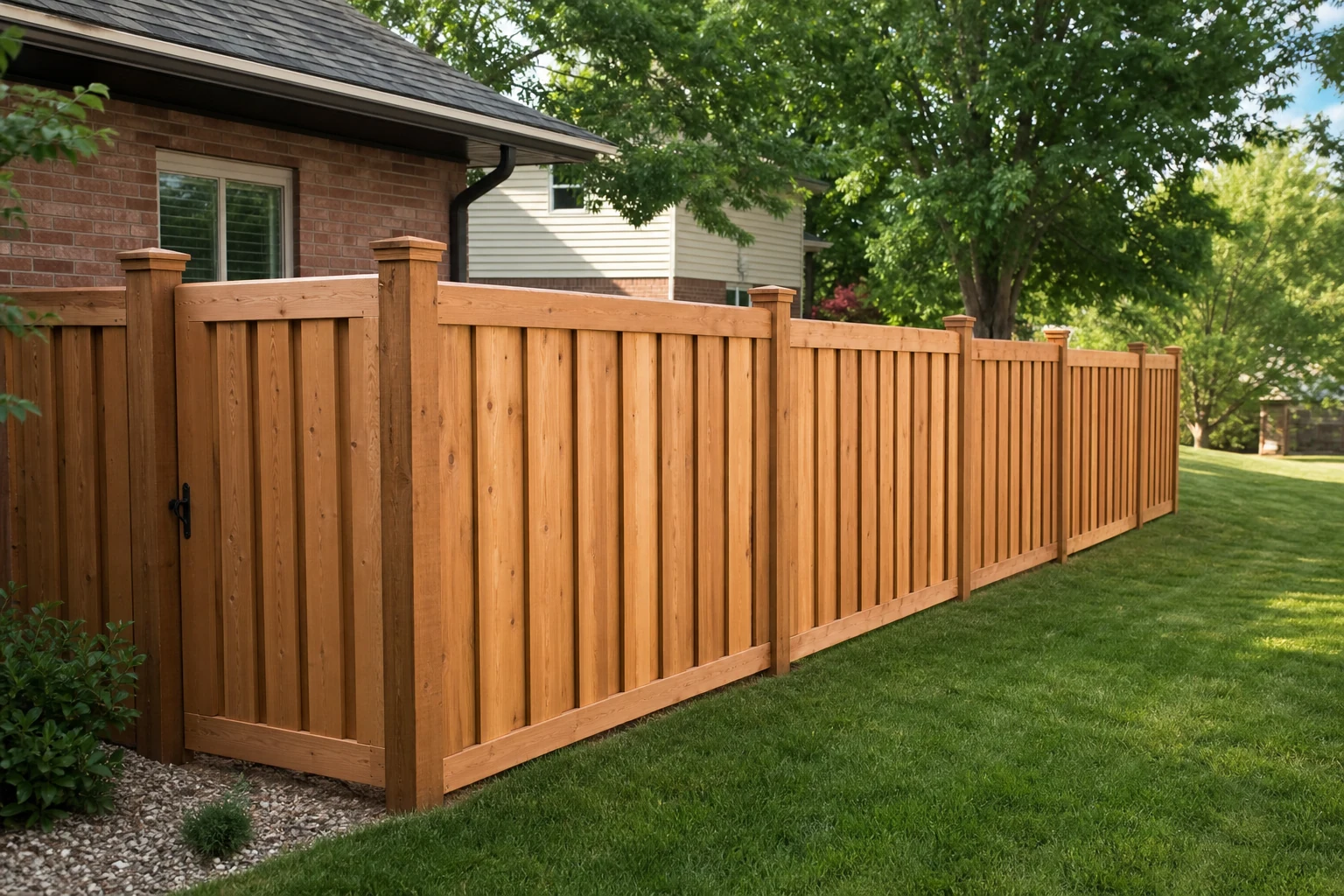
Adapt the profile
Board orientation, spacing, trim, caps, and rail arrangements can support different privacy and architectural goals.
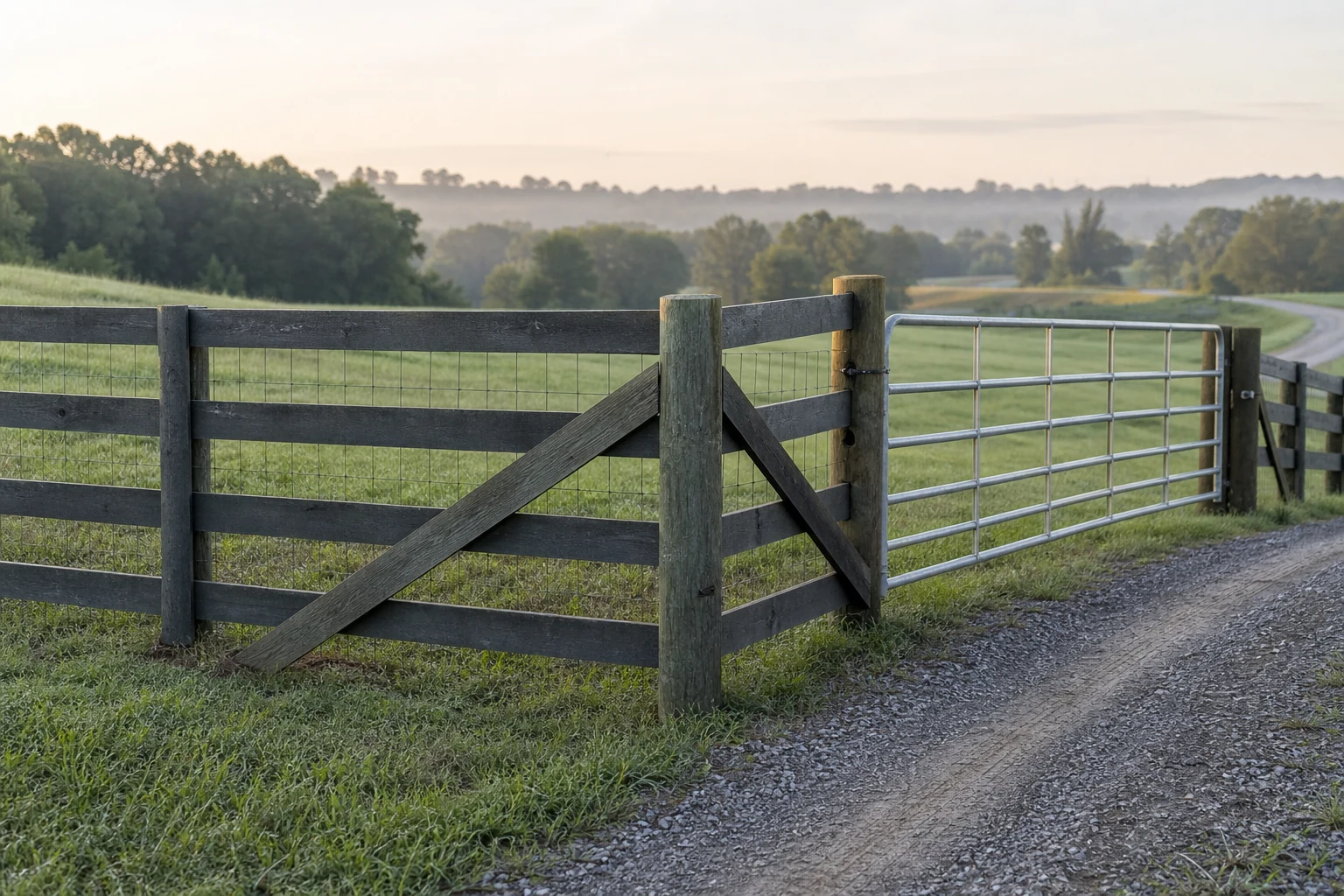
Work with the grade
Field-built sections can be planned around corners and elevation changes when those conditions are visible early.
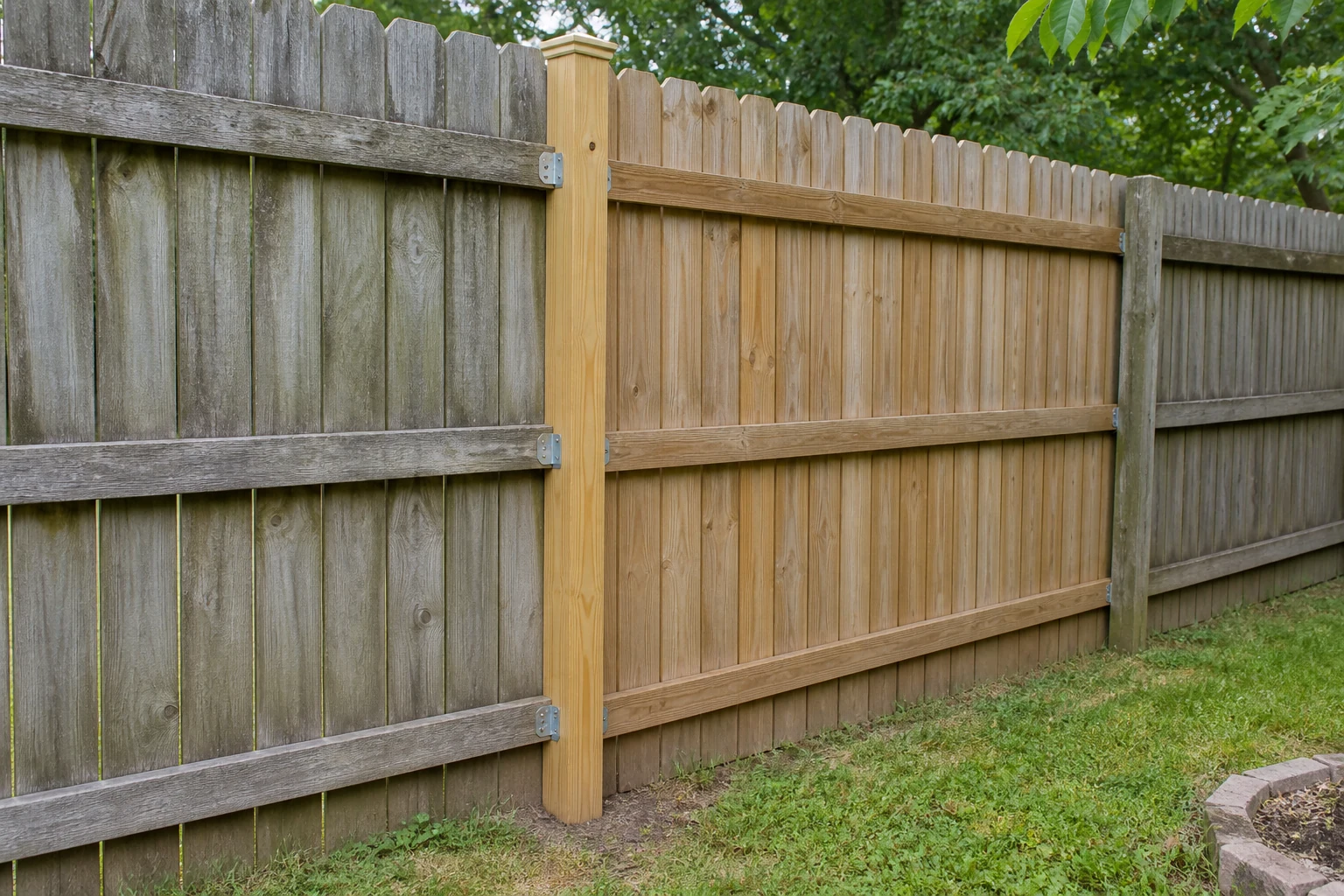
Plan repairs clearly
Individual components may be evaluated separately when the remaining structure is sound enough to retain.
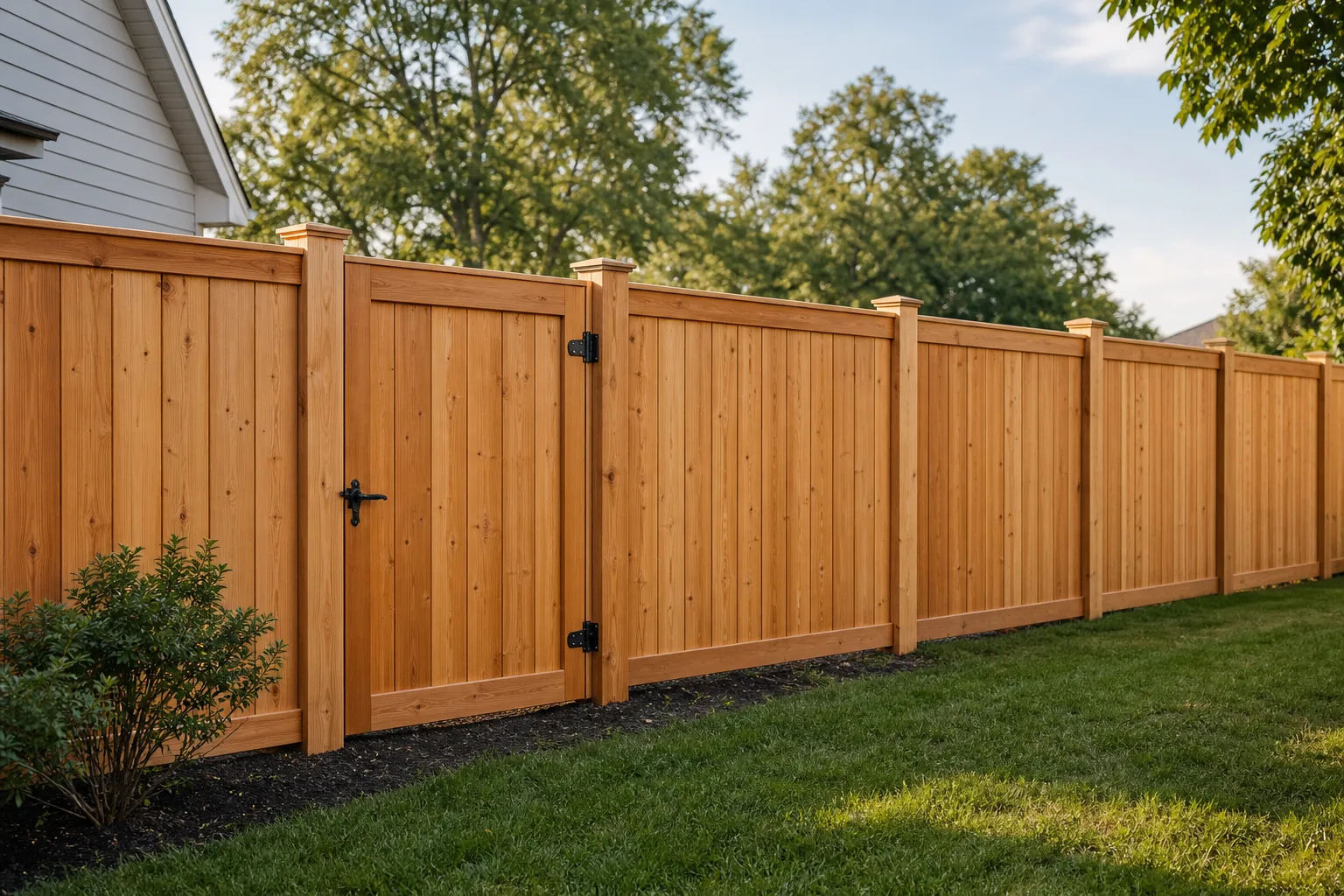
Project detail
Wood privacy fence
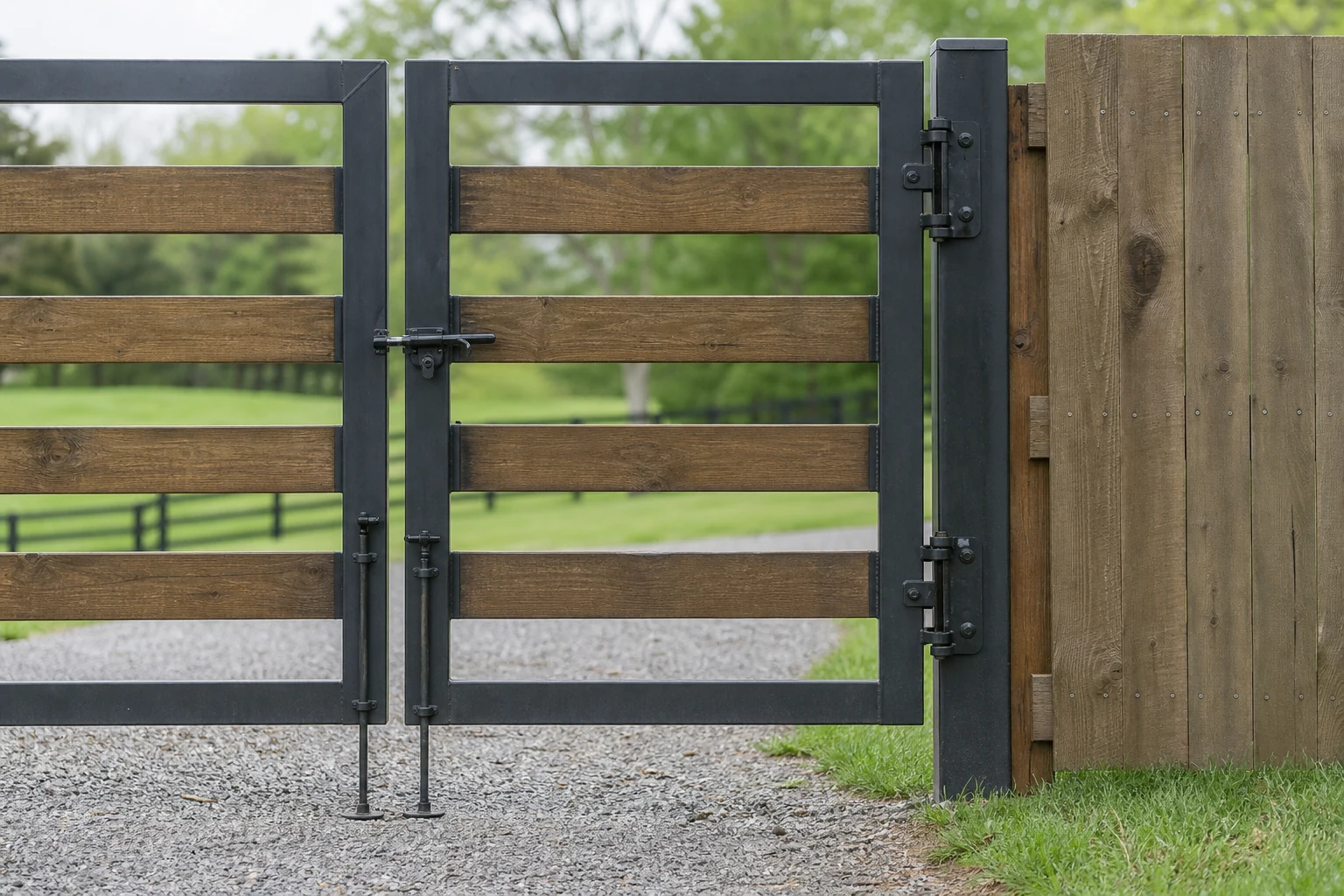
Notice the clear opening, approach, swing, support, hardware, and nearby transitions that shape how the opening needs to work.
Make the decision concrete
Where wood fence installation fits
Start with the intended use, then review the site conditions and choices that can change the scope.
Good fit when
“Wood fence” covers several distinct assemblies. A tightly spaced privacy line behaves differently from a picket or agricultural board layout. Identify the desired appearance and enclosure purpose first, then document grade, moisture exposure, existing conditions, and the finish you expect after installation.
- Properties that benefit from adaptable field-built layouts, traditional profiles, or a natural material appearance.
- A defined fence line, a clear use for the enclosure, and enough property detail to compare a practical scope.
- Key choices: fence profile, board spacing, finished height, post layout, wood selection, and finish expectations.
- The property details can be documented without relying on unsupported assumptions.
Scope-changing details
Wood moves and weathers as an exterior material. Color change, checking, finish intervals, and component life vary with species, treatment, exposure, drainage, and maintenance. Any material or finish expectation should be written into the project conversation instead of assumed.
- Privacy boards, pickets, horizontal boards, farm boards, or rails
- Approximate height, spacing, cap, and trim preferences
- Stain, paint, natural weathering, or owner-finished expectations
- Ground contact, drainage, vegetation, and grade conditions
Record known conditions, open questions, and unresolved responsibilities before materials or layout are treated as settled.
Compare practical directions
Wood Fence Installation options and use cases
These are planning categories, not promises that every system or variation fits every site.
Vertical privacy
Closely spaced vertical boards create a familiar screen with several cap and trim directions.
Horizontal boards
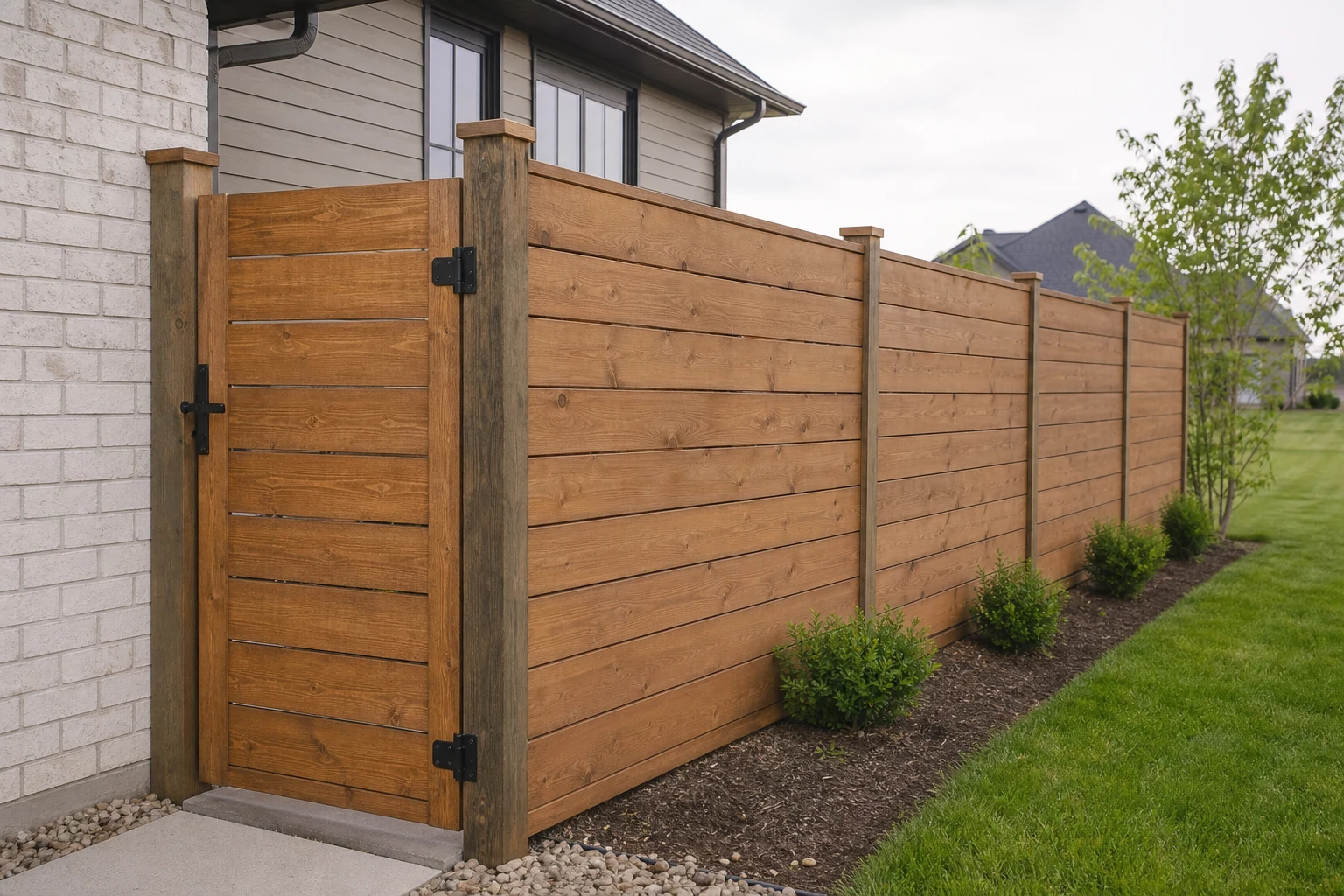
Horizontal lines create a modern look and make post spacing and grade transitions especially visible.
Picket and semi-private
Open spacing can define an area while keeping more light and visual connection.
Board and rail
Longer rural runs may use board or rail patterns matched to the actual containment and appearance goal.
Project detail
Horizontal wood fence and gate
Notice the clear opening, approach, swing, support, hardware, and nearby transitions that shape how the opening needs to work.
A clear path
From request to a defined wood fence installation scope
The same four-step rhythm keeps project details, site context, decisions, and next actions easy to follow.
Share the location
Send the property address, contact details, desired outcome, approximate dimensions, and the photos that explain the route or work area.
Show the conditions
Document grade, access, existing materials, structures, hardscape, vegetation, drainage, utilities, and every gate or transition.
Compare the scope
Review the wood fence installation direction, exclusions, owner responsibilities, material choices, and any information still needed.
Confirm next steps
Use the written conversation to confirm what is being considered before treating layout, material, preparation, or approvals as settled.
Prepare a useful request
Measure broadly, photograph clearly, and label uncertainty
Include these project details
A rough sketch and overlapping photos usually explain more than one close-up image.
- Share close and wide photos of the entire proposed route
- Describe the wood profile and any reference style you want reviewed
- Note wet areas, drainage paths, roots, rock, and grade breaks
- Clarify who handles stain, paint, sealing, or later maintenance
Confirm the site context
Keep measurements, photos, access, and responsibilities clear before the scope is finalized.
- Label preliminary measurements as approximate and identify any uncertain endpoints
- Show corners, openings, grade changes, adjoining work, and the full access route
- Photograph transitions and constraints from more than one useful angle
- Confirm property-line, utility, HOA, permit, and code responsibilities separately
Common questions
Wood Fence Installation FAQ
These answers frame the first conversation. Site conditions and the requested scope still control the project details.
Can wood fencing follow a sloped yard?
It can be planned with stepped or grade-following transitions depending on the profile and site. Photos and approximate elevation changes help frame the choice.
Is staining included with wood fence installation?
Do not assume it is included. State the desired finish and timing so installation and finishing responsibilities can be discussed explicitly.
Can one damaged section be repaired?
Sometimes. Post condition, rail condition, matching material, and how the section ties into the remaining fence determine whether a targeted repair is sensible.
What gate details matter for a wood fence?
Opening width, swing direction, slope through the opening, latch use, and the equipment or people using the gate all matter.
How should I compare wood profiles?
Compare privacy, airflow, view, grade transitions, maintenance, and how the profile meets gates and corners—not appearance alone.
Get your free estimate
Send the details that shape the work.
For wood fence installation, send the property location, intended result, approximate dimensions, material direction, gates or openings, existing conditions, access constraints, and clear photos. Do not wait for perfect drawings; label rough information honestly so the first review starts from useful facts.
Request a KY Fencing Works estimate
Share the property location, the work you need, useful dimensions, access notes, and any helpful photos.