
Fence, gate & outdoor work
Fence Site Access & Preparation
Fence-line preparation is a defined supporting scope, not an open-ended promise to clear, excavate, grade, landscape, or restore a property.
Show the full proposed route, access from the street or drive, gates and narrow passages, vegetation, old fence, debris, grade, drainage, utilities, structures, and surfaces. Identify what you expect removed, retained, protected, or handled by another provider.
Request an estimate
Useful for
Fence routes obstructed by vegetation, debris, old materials, narrow access, grade transitions, or unclear working space.
Key choice
What blocks the route, who owns and removes it, how the work area is reached, and what condition should remain afterward.
Send first
Property location, approximate length, gate openings, access notes, slope or grade changes, removals, and helpful photos.
Coverage
Nicholasville-centered requests plus nearby communities are reviewed from the actual property address.
Start with the outcome
What fence site access & preparation can help organize
A useful scope connects the material and layout to how the property needs to work.
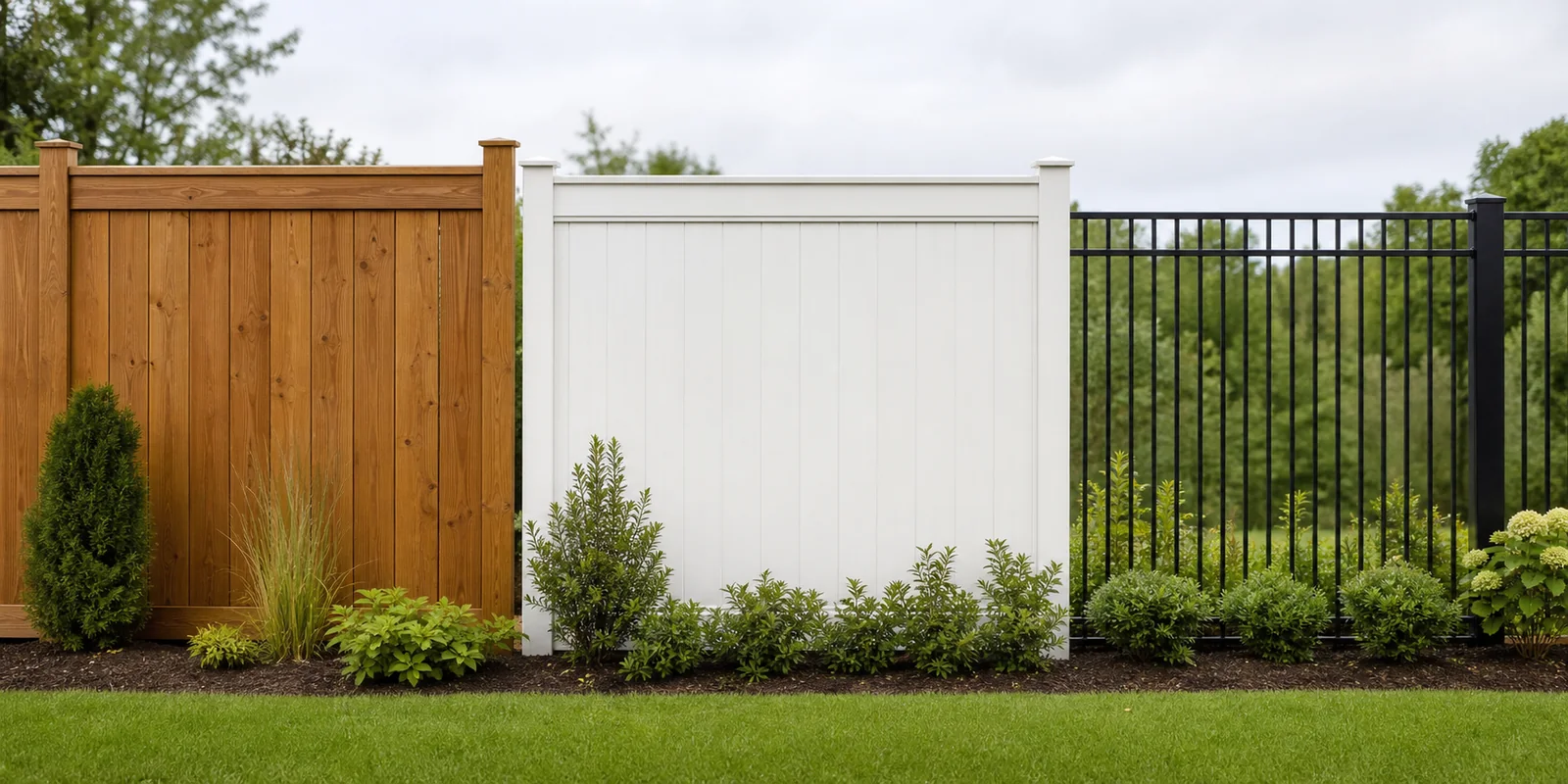
Expose the route
A visible line helps identify corners, grade, existing materials, vegetation, and conflicts before installation planning.
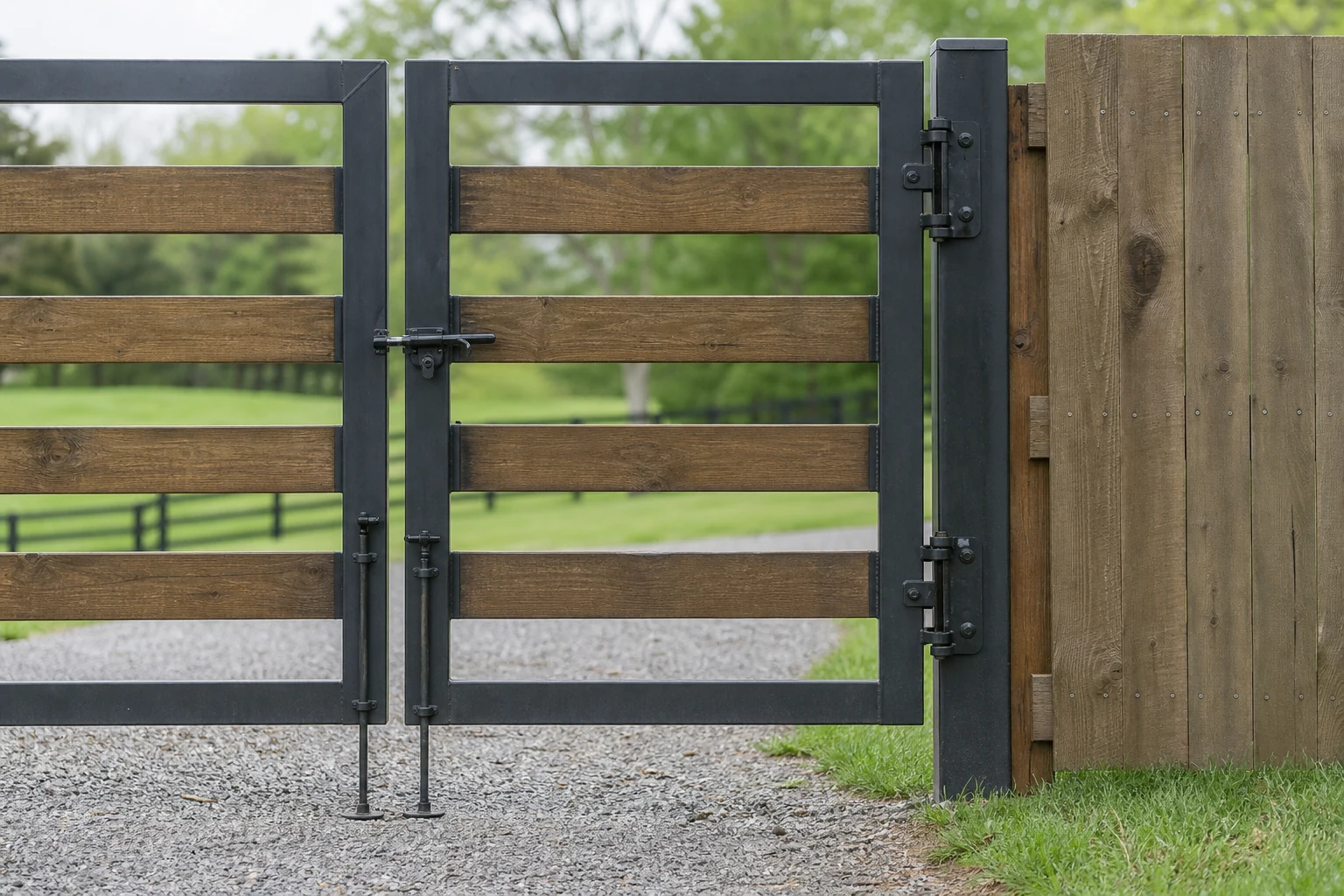
Plan working access
Equipment and material paths can be considered around gates, walks, soft ground, overhead limits, and occupied areas.
Clarify handoffs
Owner work, fence-related preparation, material disposal, specialty removal, and landscape restoration can be separated in writing.
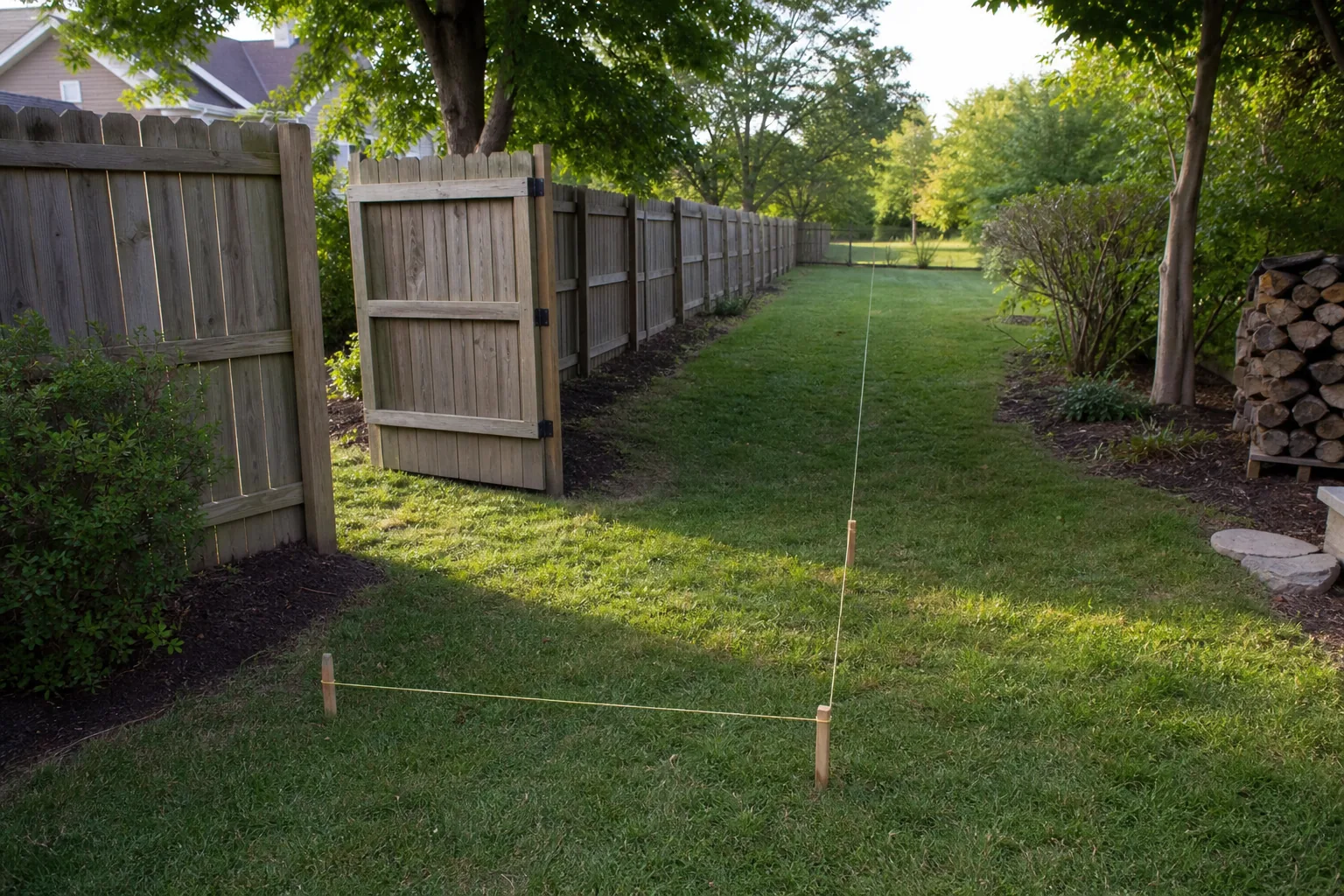
Project detail
Fence site access
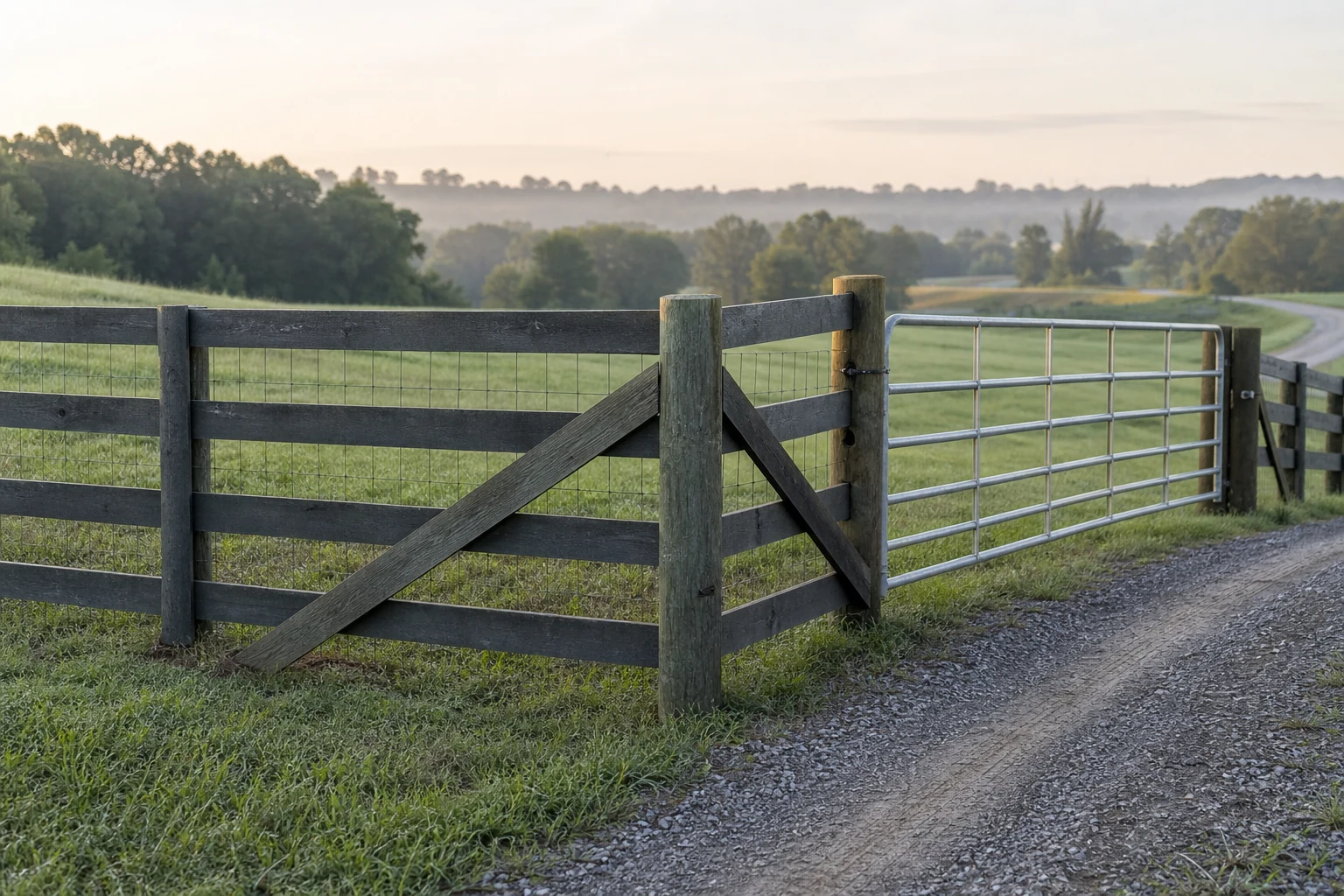
Notice the clear opening, approach, swing, support, hardware, and nearby transitions that shape how the opening needs to work.
Make the decision concrete
Where fence site access & preparation fits
Start with the intended use, then review the site conditions and choices that can change the scope.
Good fit when
The phrase “clear the fence line” can hide very different work: light trimming, old fence removal, brush, trees, stumps, debris, ground reshaping, utility conflicts, or landscape restoration. Break the route into visible conditions and identify the desired end state for each one.
- Fence routes obstructed by vegetation, debris, old materials, narrow access, grade transitions, or unclear working space.
- A defined fence line, a clear use for the enclosure, and enough property detail to compare a practical scope.
- Key choices: what blocks the route, who owns and removes it, how the work area is reached, and what condition should remain afterward.
- The property details can be documented without relying on unsupported assumptions.
Scope-changing details
Fence-related access preparation does not automatically include tree removal, stump grinding, earthwork, demolition, ground reshaping, drainage correction, hazardous material, utility work, material disposal, seeding, or landscape restoration. Every accepted preparation task must be stated in the written scope.
- Light vegetation, dense brush, trees, stumps, debris, old fence, or hardscape
- Work width needed along the line and access needed to reach it
- Items to protect, retain, relocate, remove, transport, or leave for others
- Final cleanup, disturbed-ground, seeding, ground shaping, and landscape expectations
Record known conditions, open questions, and unresolved responsibilities before materials or layout are treated as settled.
Compare practical directions
Fence Site Access & Preparation options and use cases
These are planning categories, not promises that every system or variation fits every site.
Old fence interface
Existing posts, panels, wire, rails, footings, gates, and neighboring tie-ins need a specific removal or retention plan.
Vegetation interface
Branches, brush, vines, roots, and planted areas should be identified without assuming tree or landscape work.
Access route
Driveways, walks, yards, gates, slopes, soft ground, and overhead clearance shape material and equipment movement.
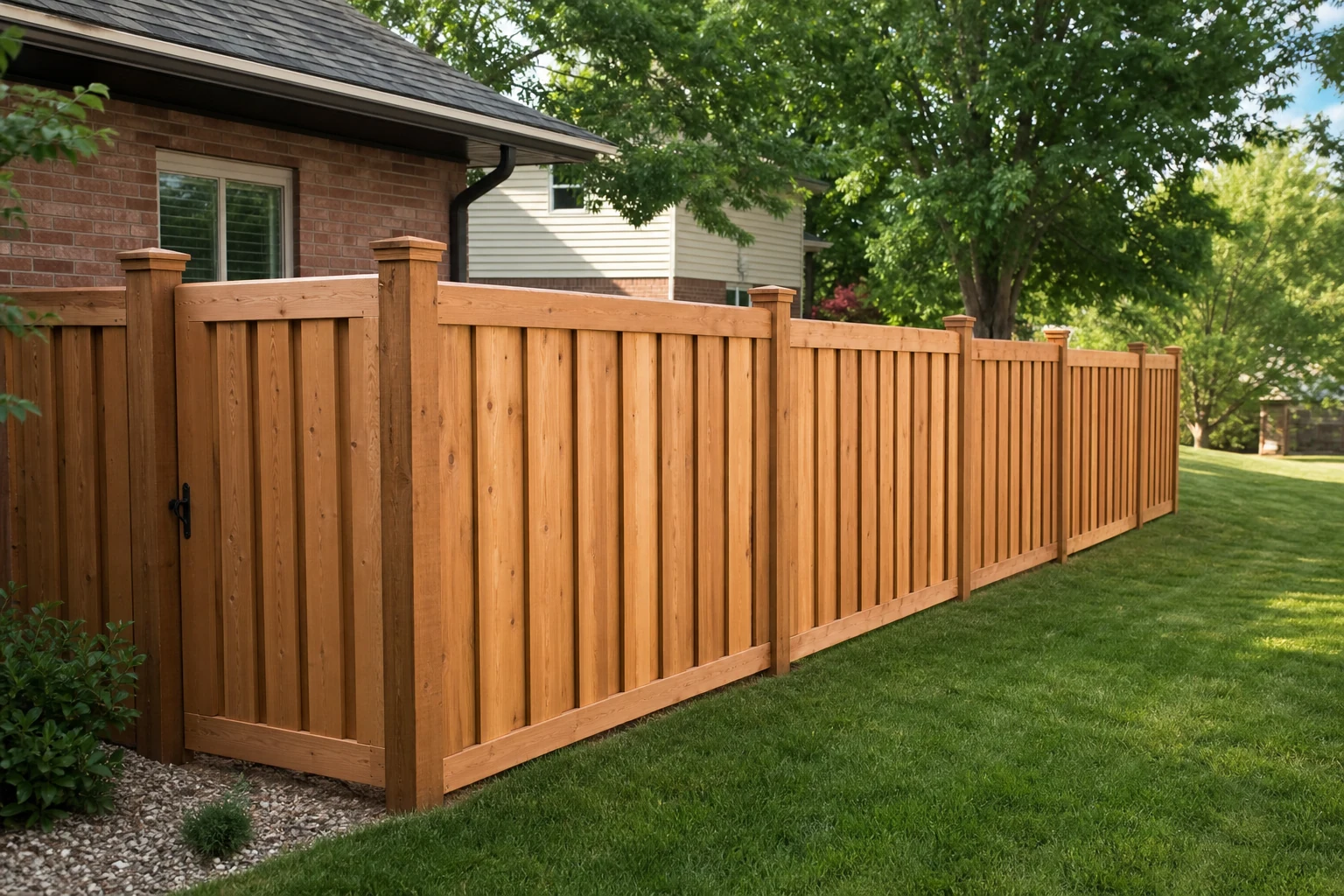
Cleanup handoff
Debris handling and the expected condition after fence work should be assigned explicitly.
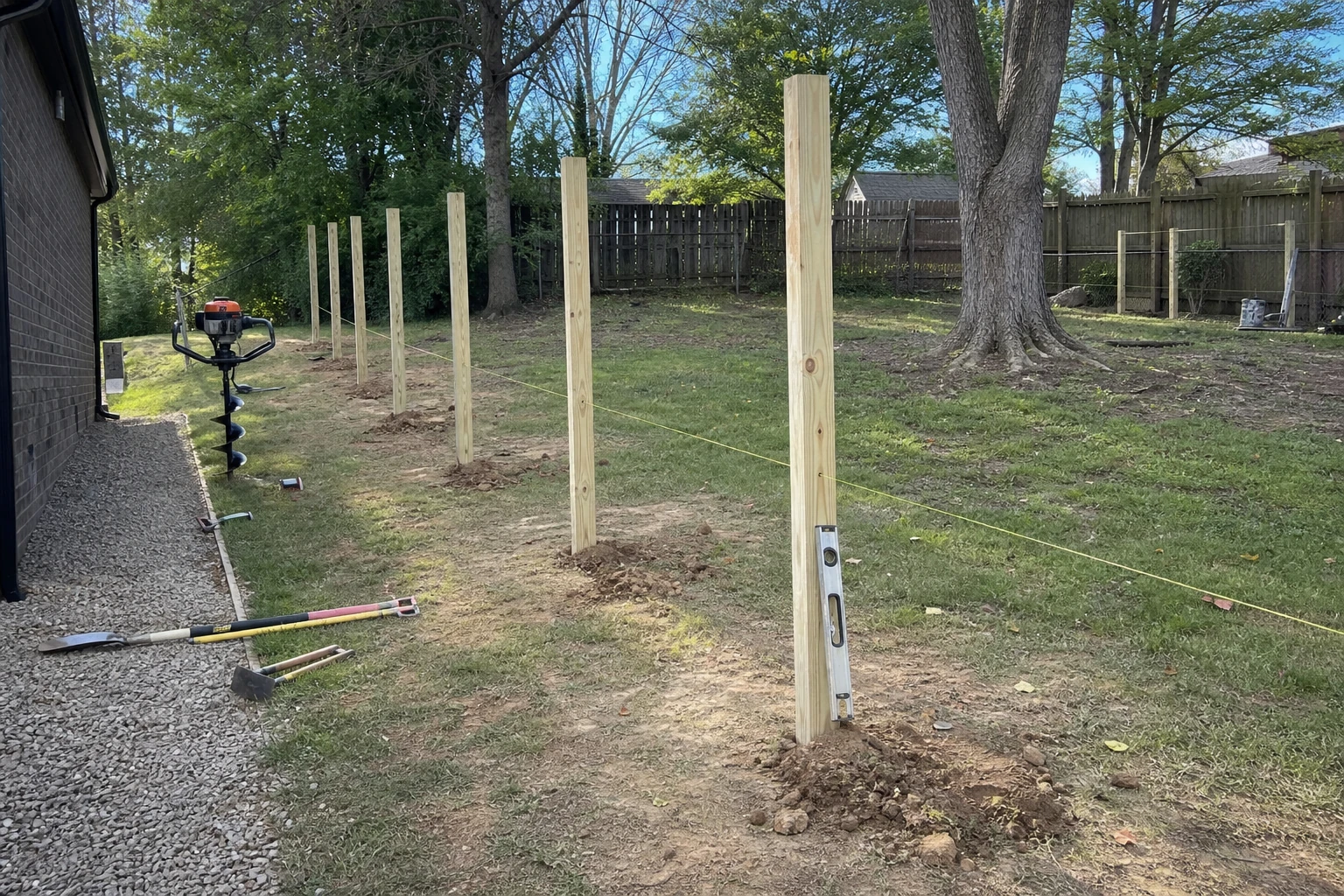
Project detail
Fence post installation
Notice the material profile, post and rail pattern, grade response, openings, and transitions that connect the fence system to the property.
A clear path
From request to a defined fence site access & preparation scope
The same four-step rhythm keeps project details, site context, decisions, and next actions easy to follow.
Share the location
Send the property address, contact details, desired outcome, approximate dimensions, and the photos that explain the route or work area.
Show the conditions
Document grade, access, existing materials, structures, hardscape, vegetation, drainage, utilities, and every gate or transition.
Compare the scope
Review the fence site access & preparation direction, exclusions, owner responsibilities, material choices, and any information still needed.
Confirm next steps
Use the written conversation to confirm what is being considered before treating layout, material, preparation, or approvals as settled.
Prepare a useful request
Measure broadly, photograph clearly, and label uncertainty
Include these project details
A rough sketch and overlapping photos usually explain more than one close-up image.
- Walk the entire route and take overlapping wide photos
- Mark items to retain, remove, protect, or discuss
- Measure the narrowest gate, passage, turn, and overhead clearance
- Identify specialty tree, utility, demolition, material transport, ground shaping, or landscape work separately
Confirm the site context
Keep measurements, photos, access, and responsibilities clear before the scope is finalized.
- Label preliminary measurements as approximate and identify any uncertain endpoints
- Show corners, openings, grade changes, adjoining work, and the full access route
- Photograph transitions and constraints from more than one useful angle
- Confirm property-line, utility, HOA, permit, and code responsibilities separately
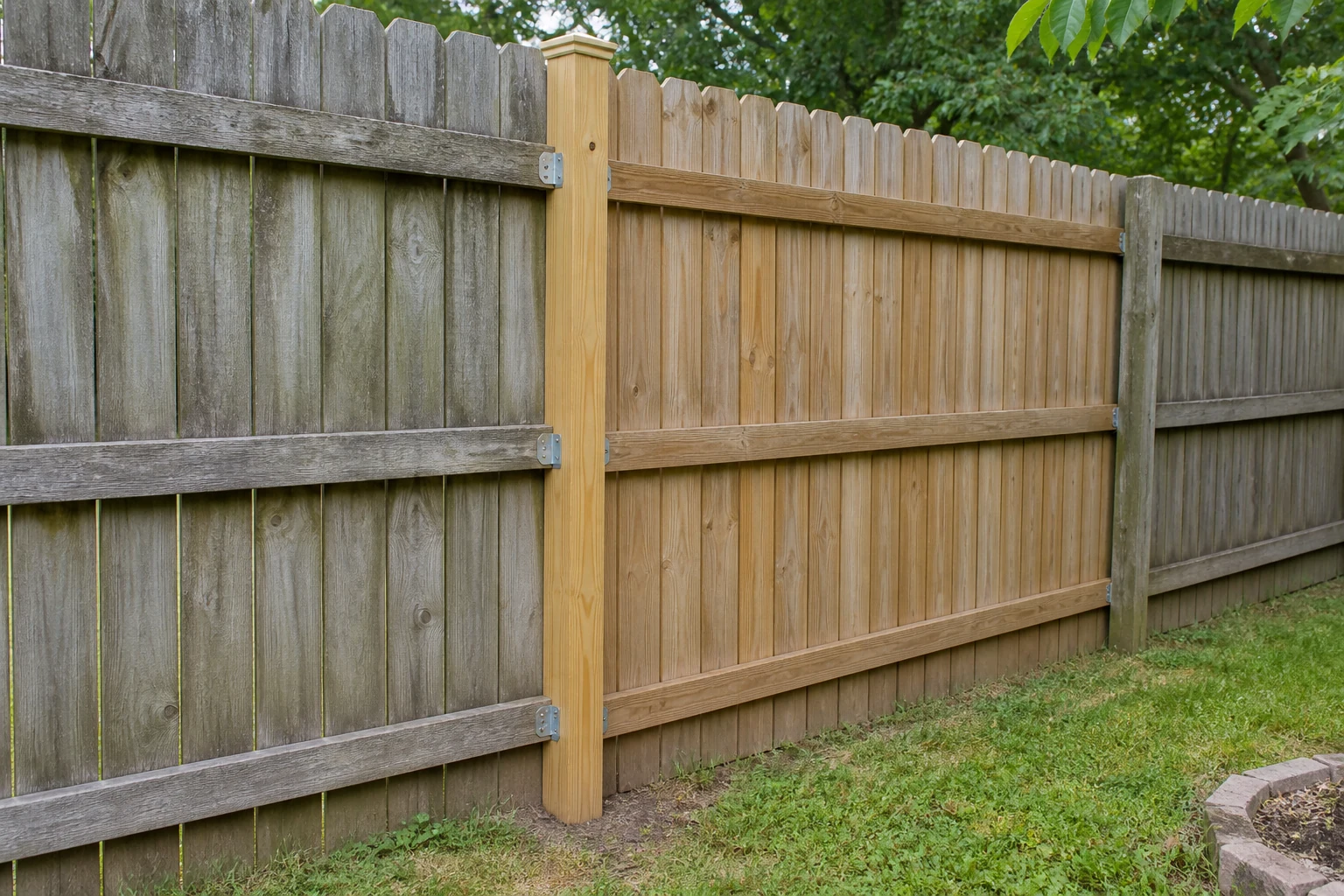
Common questions
Fence Site Access & Preparation FAQ
These answers frame the first conversation. Site conditions and the requested scope still control the project details.
Does fence installation include clearing the entire line?
Do not assume so. Show the conditions and describe the desired preparation so included, owner-completed, and specialty work can be separated.
Can an old fence be removed?
Removal may be discussed when material, footage, posts or footings, access, disposal, neighboring tie-ins, and retained sections are documented.
What access measurements matter?
Measure the narrowest gate or passage, turning points, overhead clearance, steps, slopes, soft ground, and distance from unloading to the work area.
Who handles trees and stumps?
Tree removal and stump work are not assumed. Identify them so specialty work and fence-line needs can be coordinated.
Will disturbed ground be landscaped?
Not unless stated. Cleanup, ground shaping, topsoil, seed, sod, mulch, and planting restoration should be assigned explicitly.
Get your free estimate
Send the details that shape the work.
For fence site access & preparation, send the property location, intended result, approximate dimensions, material direction, gates or openings, existing conditions, access constraints, and clear photos. Do not wait for perfect drawings; label rough information honestly so the first review starts from useful facts.
Request a KY Fencing Works estimate
Share the property location, the work you need, useful dimensions, access notes, and any helpful photos.