
Fence, gate & outdoor work
Privacy Fence Installation
Privacy fence planning starts with the outcome you want: screening, a more defined yard, controlled access, or a combination of those needs.
KY Fencing Works reviews privacy fence requests from the Nicholasville area and nearby communities. A useful request identifies the proposed line, material direction, approximate height, gates, terrain, access, and any existing fence that may affect the scope.
Request an estimate
Useful for
Backyards and side yards that need visual separation, a defined boundary, or a more contained outdoor space.
Key choice
Material, finished height, board or panel style, and the number and width of gates.
Send first
Property location, approximate length, gate openings, access notes, slope or grade changes, removals, and helpful photos.
Coverage
Nicholasville-centered requests plus nearby communities are reviewed from the actual property address.
Start with the outcome
What privacy fence installation can help organize
A useful scope connects the material and layout to how the property needs to work.
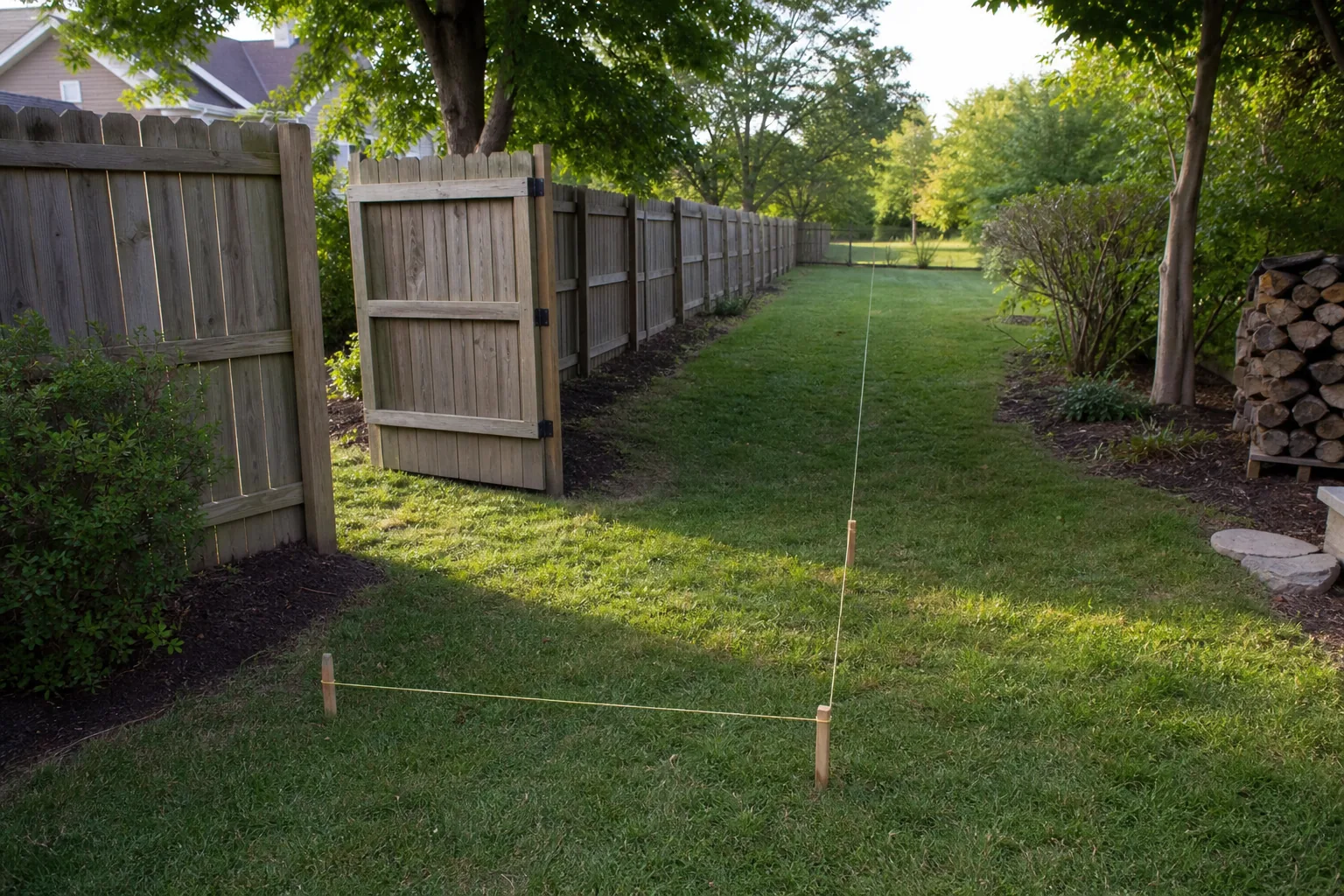
Screen the view
A continuous board or panel layout can reduce direct sightlines when the height and grade are planned together.
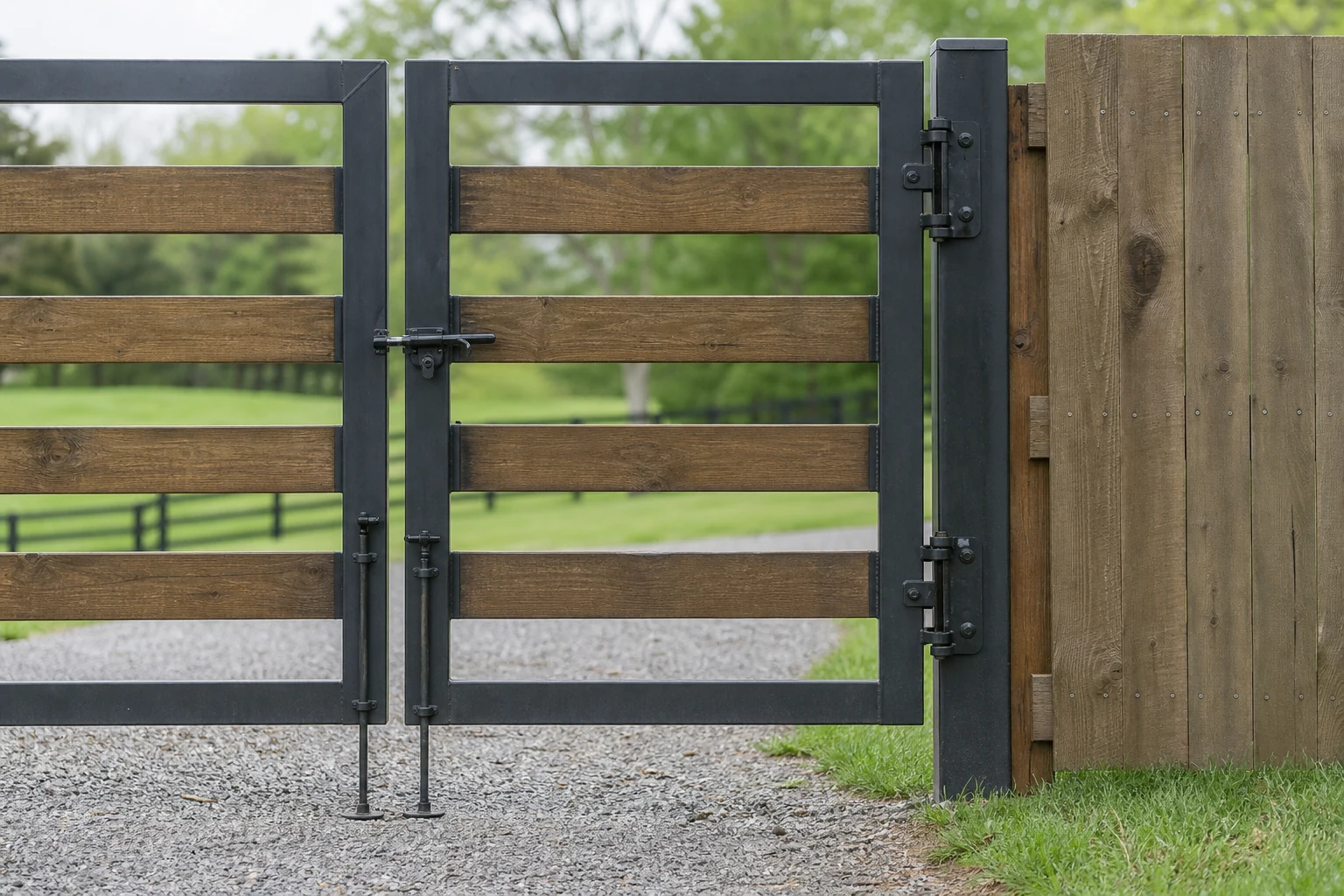
Define the yard
A deliberate line and gate plan can make entrances, play areas, pets, and everyday movement easier to understand.
Coordinate the finish
Material, color, cap, trim, and gate choices can be considered as one exterior system instead of separate decisions.
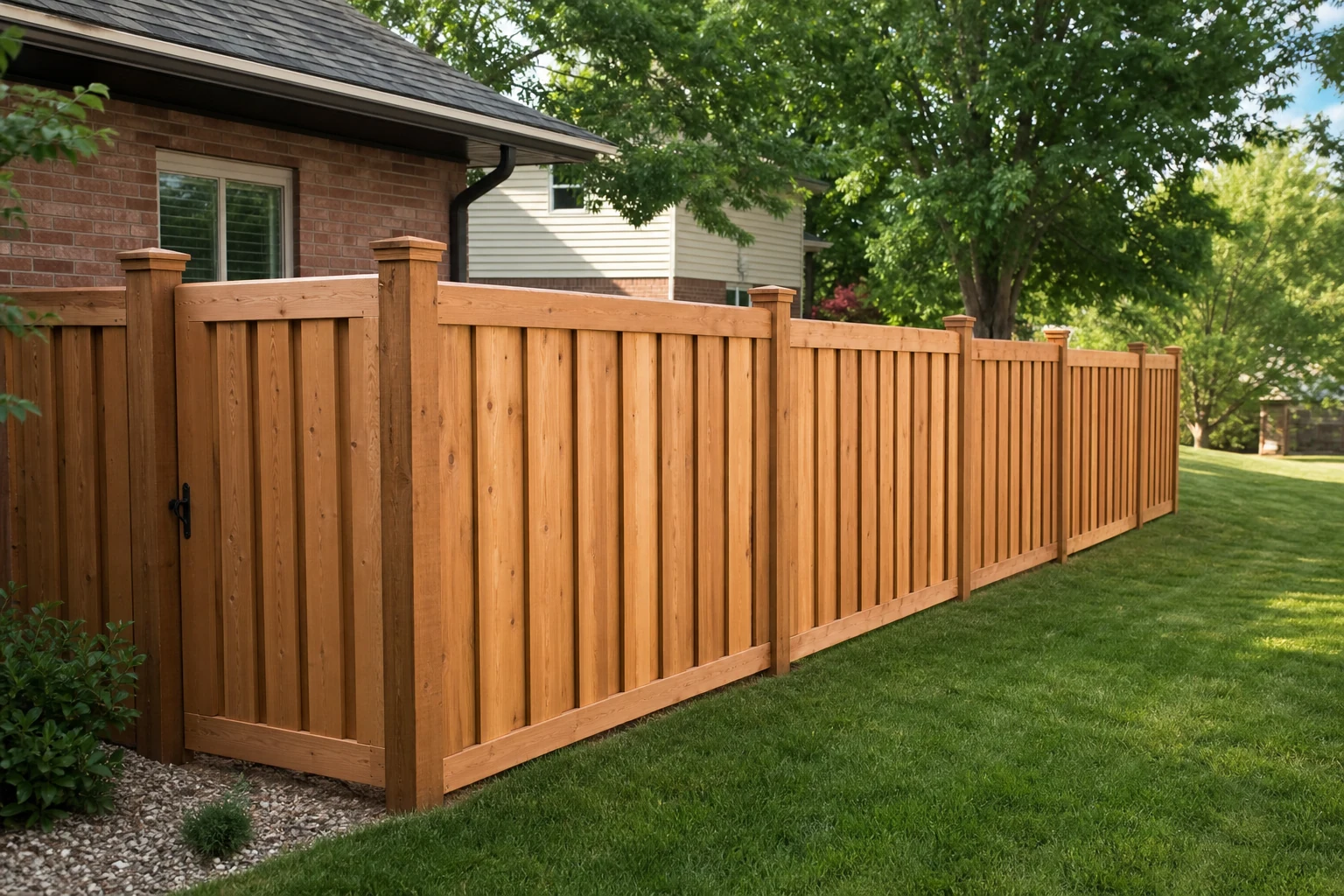
Project detail
Cedar shadowbox fence
Notice the clear opening, approach, swing, support, hardware, and nearby transitions that shape how the opening needs to work.
Make the decision concrete
Where privacy fence installation fits
Start with the intended use, then review the site conditions and choices that can change the scope.
Good fit when
Privacy is not created by the word “privacy” alone. Board spacing, panel construction, grade changes, neighboring elevations, and gate placement all affect the finished result. Start with the sightlines that matter most, then compare materials and layouts that fit the site.
- Backyards and side yards that need visual separation, a defined boundary, or a more contained outdoor space.
- A defined fence line, a clear use for the enclosure, and enough property detail to compare a practical scope.
- Key choices: material, finished height, board or panel style, and the number and width of gates.
- The property details can be documented without relying on unsupported assumptions.
Scope-changing details
Property-line confirmation, utility marking, neighborhood approvals, and permit or code questions remain separate owner-side planning items unless the written project scope says otherwise. Pool barriers and other regulated enclosures require current local review; a fence style alone is not an approval statement.
- Desired finished height and the views that matter most
- Wood, vinyl, or composite material direction
- Gate quantity, clear opening, swing, and daily use
- Transitions at slopes, corners, structures, and neighboring fences
Record known conditions, open questions, and unresolved responsibilities before materials or layout are treated as settled.
Compare practical directions
Privacy Fence Installation options and use cases
These are planning categories, not promises that every system or variation fits every site.
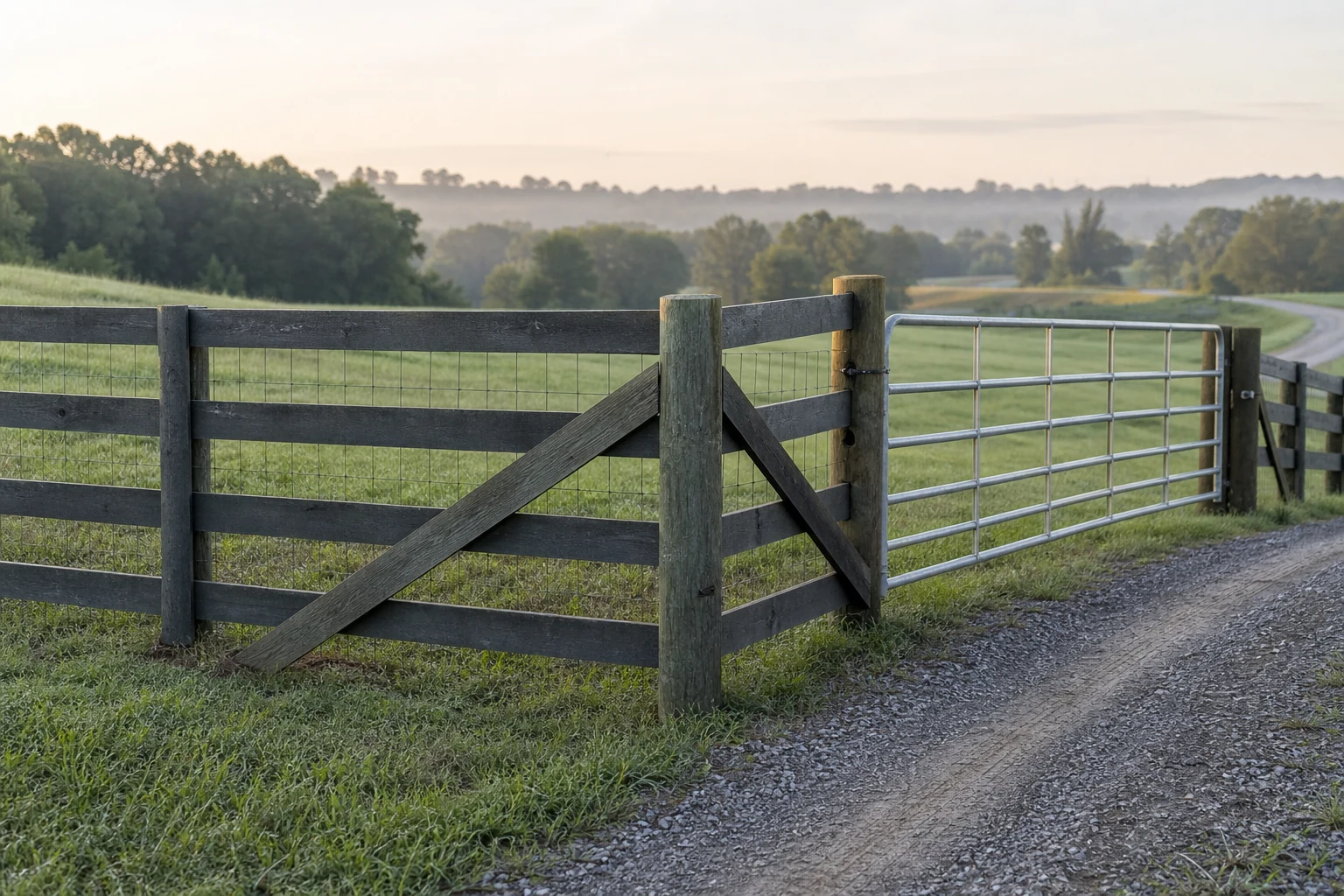
Wood privacy
Individual boards allow familiar styling and field adjustments, with stain or finish planning handled separately.
Vinyl privacy
Manufactured panels provide a consistent finish while layout and grade transitions need early attention.
Composite privacy
Composite systems can offer a distinct finish; brand, profile, color, and component availability should be identified.
Mixed screening
Targeted screening near patios or gathering spaces may solve the main sightline without treating every boundary alike.
Project detail
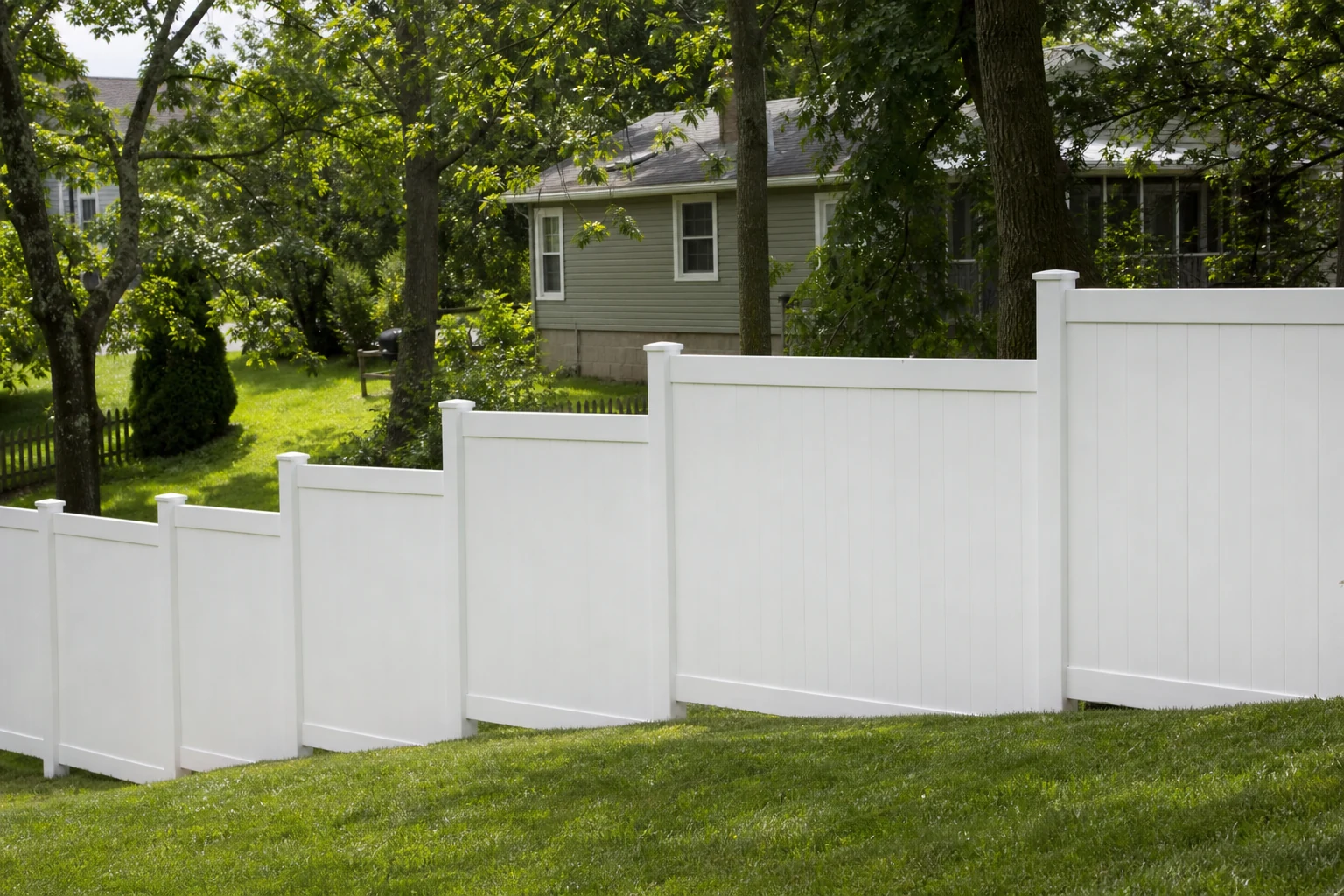
Vinyl fence on a slope
Notice the material profile, post and rail pattern, grade response, openings, and transitions that connect the fence system to the property.
A clear path
From request to a defined privacy fence installation scope
The same four-step rhythm keeps project details, site context, decisions, and next actions easy to follow.
Share the location
Send the property address, contact details, desired outcome, approximate dimensions, and the photos that explain the route or work area.
Show the conditions
Document grade, access, existing materials, structures, hardscape, vegetation, drainage, utilities, and every gate or transition.
Compare the scope
Review the privacy fence installation direction, exclusions, owner responsibilities, material choices, and any information still needed.
Confirm next steps
Use the written conversation to confirm what is being considered before treating layout, material, preparation, or approvals as settled.
Prepare a useful request
Measure broadly, photograph clearly, and label uncertainty
Include these project details
A rough sketch and overlapping photos usually explain more than one close-up image.
- Mark the proposed line and each corner in photos or a simple sketch
- Measure approximate runs and note meaningful grade changes
- Identify gate uses, preferred openings, and approach space
- Show existing fence, vegetation, utilities, structures, and narrow access
Confirm the site context
Keep measurements, photos, access, and responsibilities clear before the scope is finalized.
- Label preliminary measurements as approximate and identify any uncertain endpoints
- Show corners, openings, grade changes, adjoining work, and the full access route
- Photograph transitions and constraints from more than one useful angle
- Confirm property-line, utility, HOA, permit, and code responsibilities separately
Common questions
Privacy Fence Installation FAQ
These answers frame the first conversation. Site conditions and the requested scope still control the project details.
Which privacy fence material should I request?
Start with the appearance, upkeep tolerance, budget direction, grade conditions, and desired service life you want to compare. Photos of styles you like make the conversation more specific.
How do slopes affect a privacy fence?
A slope can change whether sections step, follow grade, or need another transition. Show the grade from several angles so the layout can be reviewed.
Can a privacy fence include more than one gate?
Yes, gate quantity and opening sizes can be part of the request. Explain which openings serve people, equipment, trash bins, or larger access.
What should I show about an existing fence?
Include its material, condition, approximate length, how it meets neighboring sections, and whether removal or retention is being considered.
Does a privacy fence automatically qualify as a pool barrier?
No. Pool-barrier requirements are a separate local and site-specific review. Confirm current rules before treating any proposed fence as compliant.
Get your free estimate
Send the details that shape the work.
For privacy fence installation, send the property location, intended result, approximate dimensions, material direction, gates or openings, existing conditions, access constraints, and clear photos. Do not wait for perfect drawings; label rough information honestly so the first review starts from useful facts.
Request a KY Fencing Works estimate
Share the property location, the work you need, useful dimensions, access notes, and any helpful photos.