
Fence, gate & outdoor work
Fence Post Installation
Posts carry the fence line, gate, corner, and terminal loads, so post work must be planned around the assembly it supports.
A post request should identify the fence material, height, post role, spacing, gate load, failure condition, soil or drainage concern, existing footing, access, and nearby utilities or hardscape. A post without that context is not a complete scope.
Request an estimate
Useful for
New fence layouts, leaning or failed posts, gate supports, terminal points, corners, and defined post-only repair questions.
Key choice
Fence type and load, post material and size, spacing, alignment, soil and grade, footing condition, utilities, and access.
Send first
Property location, approximate length, gate openings, access notes, slope or grade changes, removals, and helpful photos.
Coverage
Nicholasville-centered requests plus nearby communities are reviewed from the actual property address.
Start with the outcome
What fence post installation can help organize
A useful scope connects the material and layout to how the property needs to work.
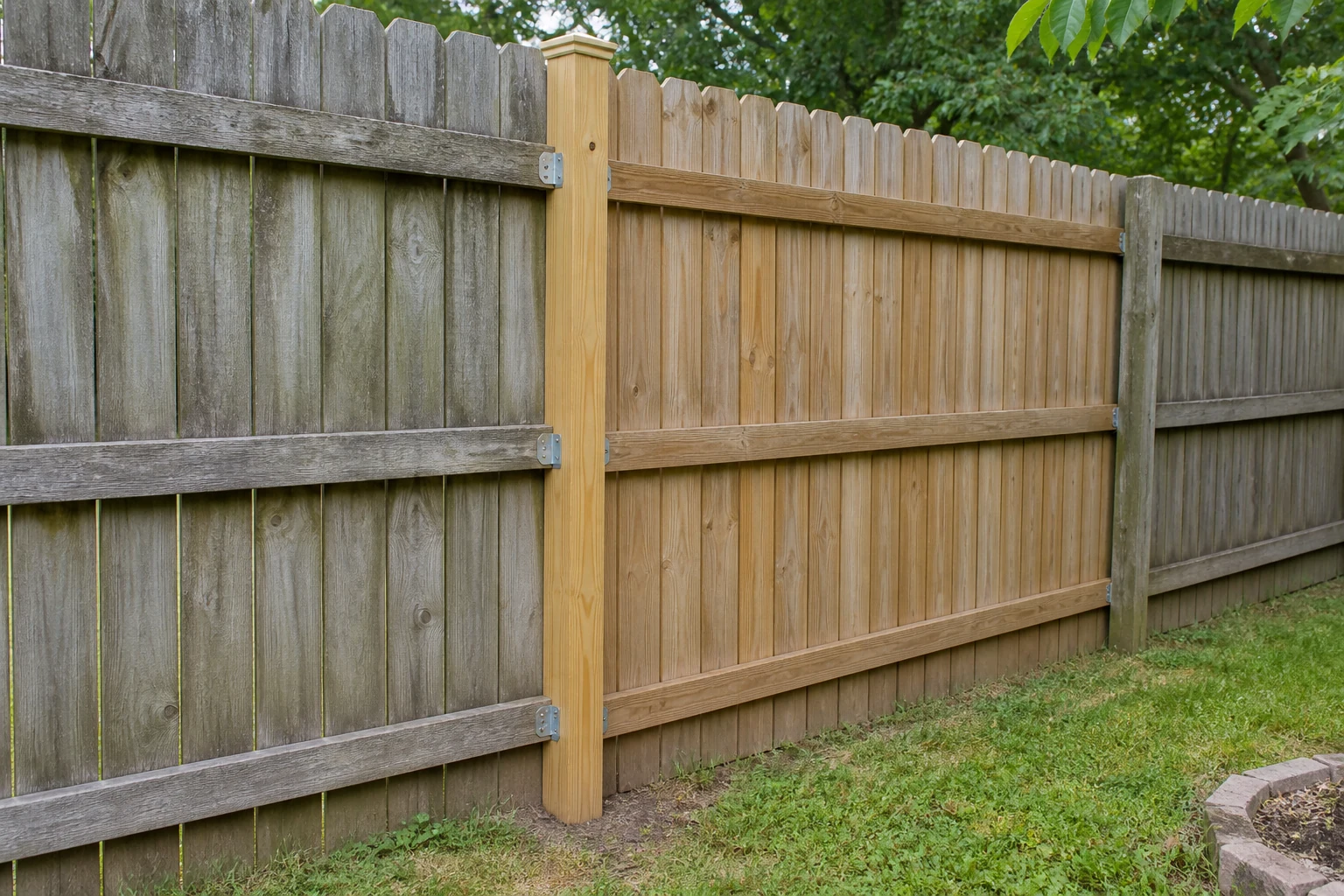
Restore alignment
A post review can address movement, lean, broken connections, and how the repaired point meets the remaining run.
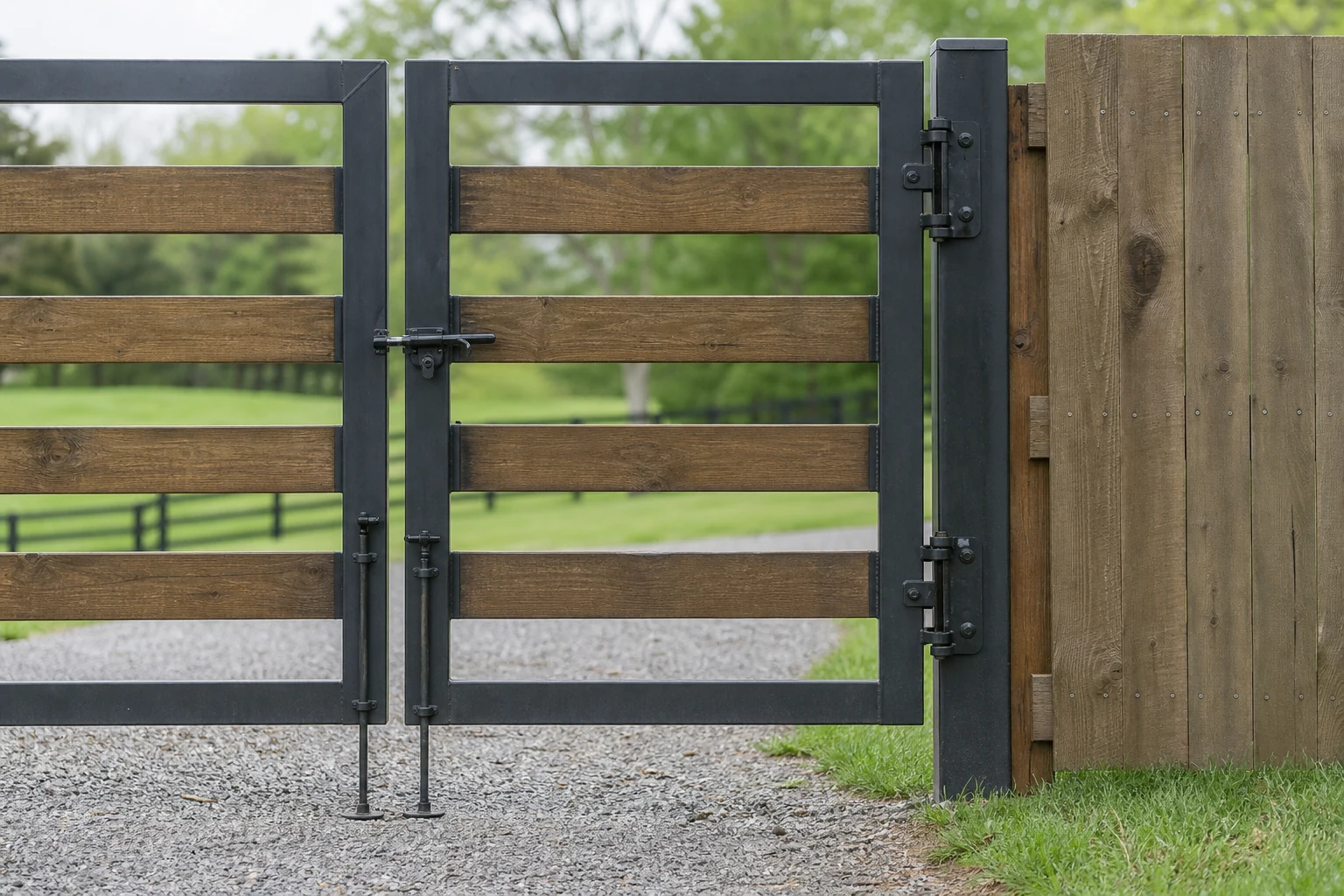
Support gate loads
Hinge and latch posts can be considered around leaf size, hardware, opening, grade, and daily use.
Start a sound layout
New posts can be spaced and aligned for the selected fence system instead of placed before the profile is known.
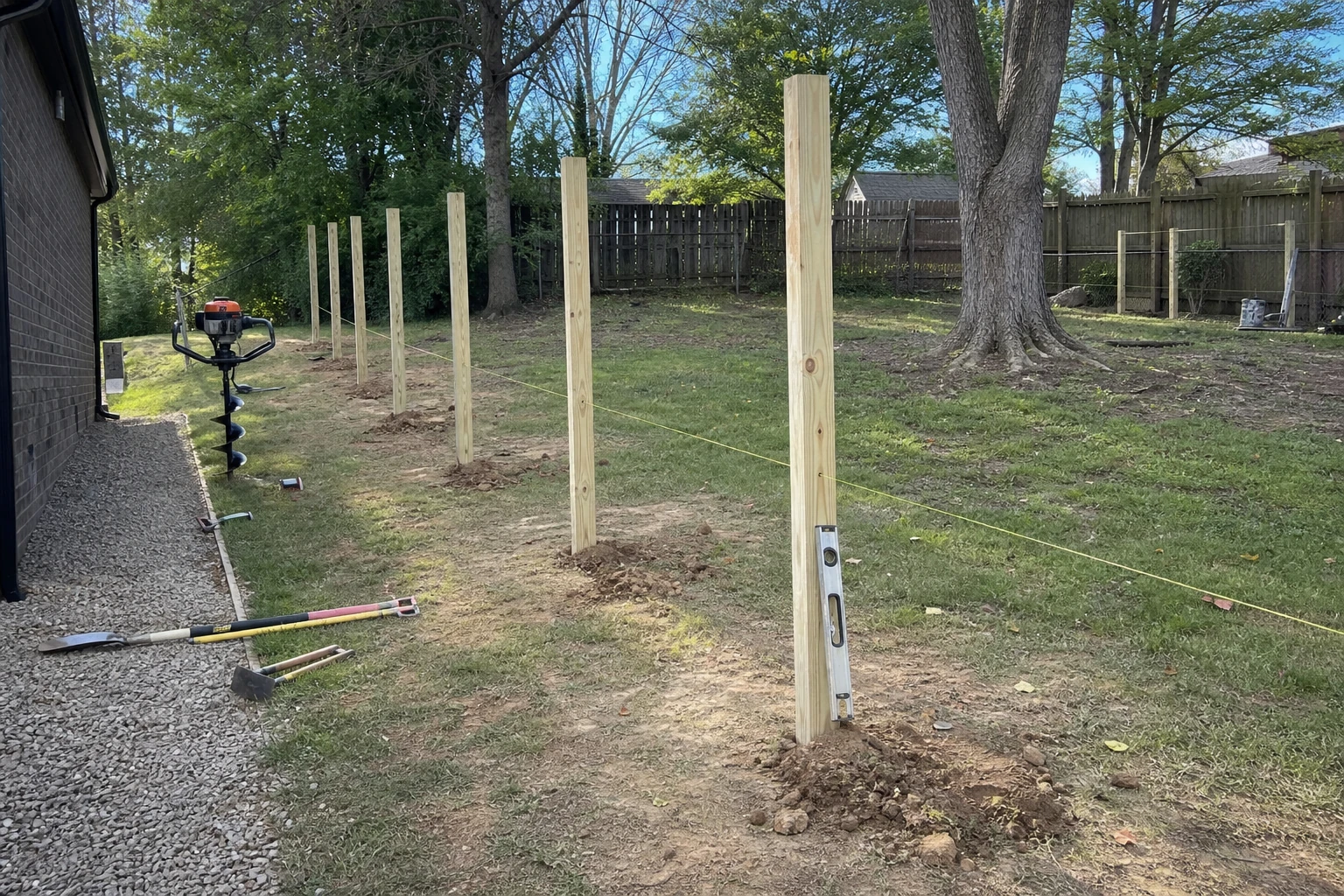
Project detail
Fence post installation
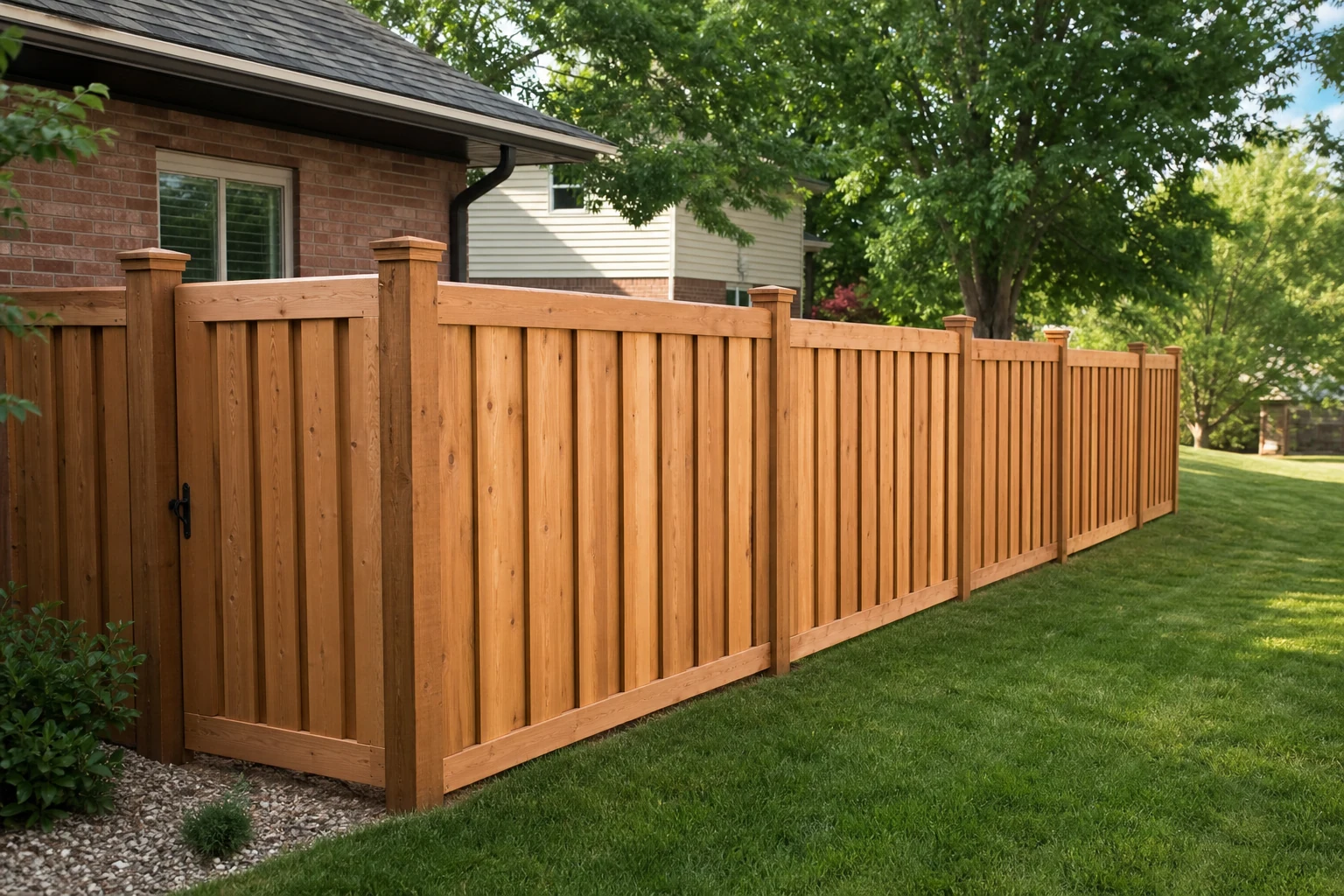
Notice the material profile, post and rail pattern, grade response, openings, and transitions that connect the fence system to the property.
Make the decision concrete
Where fence post installation fits
Start with the intended use, then review the site conditions and choices that can change the scope.
Good fit when
A line post, terminal post, corner post, and gate post do different work. Material, dimensions, spacing, soil, footing, exposure, grade, and connected fence all influence the request. For a failed post, the cause matters as much as the replacement component.
- New fence layouts, leaning or failed posts, gate supports, terminal points, corners, and defined post-only repair questions.
- A defined fence line, a clear use for the enclosure, and enough property detail to compare a practical scope.
- Key choices: fence type and load, post material and size, spacing, alignment, soil and grade, footing condition, utilities, and access.
- The property details can be documented without relying on unsupported assumptions.
Scope-changing details
Post depth, dimensions, footing, and spacing cannot be responsibly promised from a page alone. Actual fence system, loads, soil, drainage, old concrete, utilities, code questions, and access affect the accepted method. Utility and property responsibilities remain separate owner-side items.
- Line, corner, terminal, hinge, latch, end, or another post role
- Wood, metal, vinyl-system, composite-system, or existing post material
- Fence height, panel or rail load, gate size, and connection details
- Soil, rock, drainage, frost movement, old concrete, pavement, and access
Record known conditions, open questions, and unresolved responsibilities before materials or layout are treated as settled.
Compare practical directions
Fence Post Installation options and use cases
These are planning categories, not promises that every system or variation fits every site.
New layout posts
Post placement follows the chosen fence system, dimensions, corners, gates, grade, and end conditions.
Failed line post
A leaning or damaged line post is evaluated with adjoining rails, panels, fabric, and alignment.
Gate support post
Hinge and latch posts are considered with gate weight, width, use, hardware, and ground clearance.
Terminal or corner
Ends and direction changes can carry different forces and connection requirements from intermediate posts.
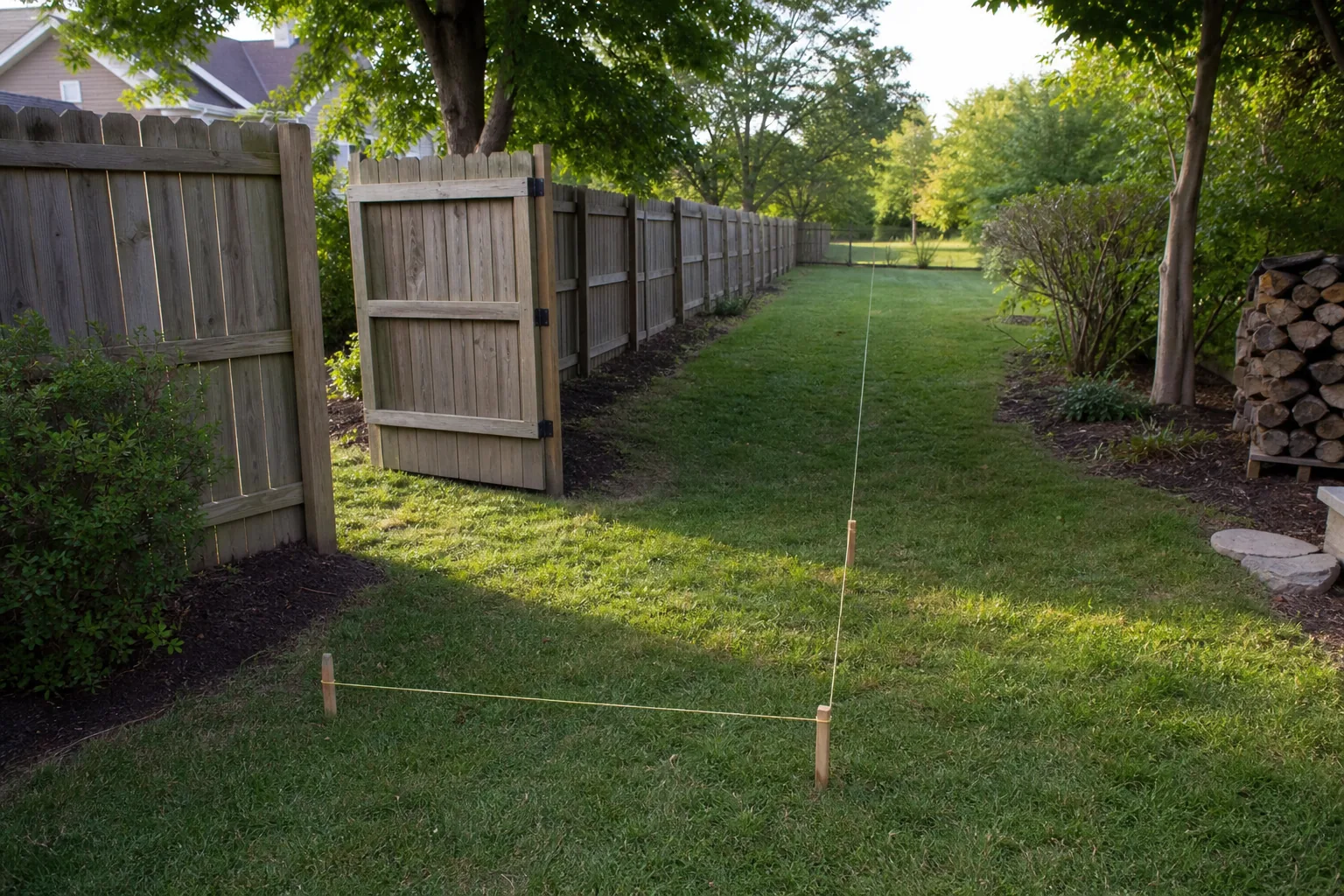
Project detail
Fence site access
Notice the clear opening, approach, swing, support, hardware, and nearby transitions that shape how the opening needs to work.
A clear path
From request to a defined fence post installation scope
The same four-step rhythm keeps project details, site context, decisions, and next actions easy to follow.
Share the location
Send the property address, contact details, desired outcome, approximate dimensions, and the photos that explain the route or work area.
Show the conditions
Document grade, access, existing materials, structures, hardscape, vegetation, drainage, utilities, and every gate or transition.
Compare the scope
Review the fence post installation direction, exclusions, owner responsibilities, material choices, and any information still needed.
Confirm next steps
Use the written conversation to confirm what is being considered before treating layout, material, preparation, or approvals as settled.
Prepare a useful request
Measure broadly, photograph clearly, and label uncertainty
Include these project details
A rough sketch and overlapping photos usually explain more than one close-up image.
- Show the post and at least one full section on each side
- Identify the fence profile, height, connections, and post role
- Photograph soil, grade, drainage, concrete, pavement, and nearby structures
- Follow current utility-marking instructions before any digging proceeds
Confirm the site context
Keep measurements, photos, access, and responsibilities clear before the scope is finalized.
- Label preliminary measurements as approximate and identify any uncertain endpoints
- Show corners, openings, grade changes, adjoining work, and the full access route
- Photograph transitions and constraints from more than one useful angle
- Confirm property-line, utility, HOA, permit, and code responsibilities separately
Common questions
Fence Post Installation FAQ
These answers frame the first conversation. Site conditions and the requested scope still control the project details.
Can a single fence post be replaced?
Sometimes, if adjoining materials can be disconnected and retained and the underlying failure can be addressed within the repair area.
Why did my post lean?
Possible factors include impact, gate load, soil movement, drainage, deterioration, footing issues, or connected fence movement. Photos help frame the review.
Are gate posts different from line posts?
They can carry different loads and hardware, so gate size, use, swing, and support conditions need specific consideration.
Can a new post use an old concrete footing?
That depends on alignment, condition, size, material, and the selected system. Do not assume the old footing is reusable.
Who handles utility marking?
Property owners should follow current Kentucky 811 and local instructions before digging. The accepted scope should clarify responsibilities.
Get your free estimate
Send the details that shape the work.
For fence post installation, send the property location, intended result, approximate dimensions, material direction, gates or openings, existing conditions, access constraints, and clear photos. Do not wait for perfect drawings; label rough information honestly so the first review starts from useful facts.
Request a KY Fencing Works estimate
Share the property location, the work you need, useful dimensions, access notes, and any helpful photos.