
Fence, gate & outdoor work
Chain Link Fence Installation
Chain link fencing can define yards, work areas, and access points while retaining visibility, but the specification still needs careful choices.
A complete request identifies residential or commercial use, approximate footage, height, coating, gate openings, corners, terminals, grade, and access. Screening and special top treatments should be stated rather than assumed.
Request an estimate
Useful for
Residential and commercial boundaries where visibility, durable enclosure, gate access, and practical long runs matter.
Key choice
Height, mesh and coating direction, terminal layout, top treatment, gates, and any screening request.
Send first
Property location, approximate length, gate openings, access notes, slope or grade changes, removals, and helpful photos.
Coverage
Nicholasville-centered requests plus nearby communities are reviewed from the actual property address.
Start with the outcome
What chain link fence installation can help organize
A useful scope connects the material and layout to how the property needs to work.
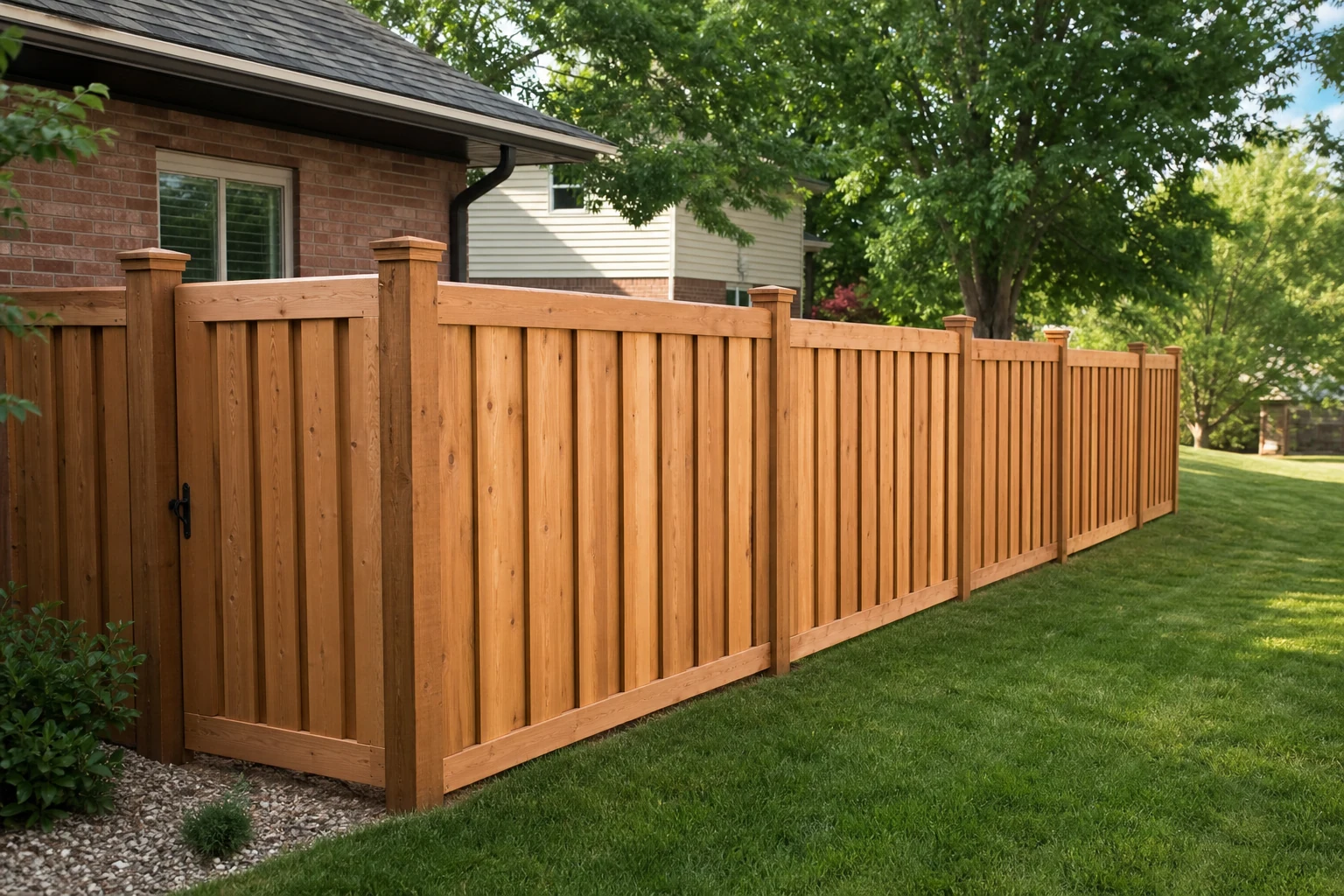
Retain visibility
Open mesh can define an enclosure without creating the visual mass of a solid privacy panel.
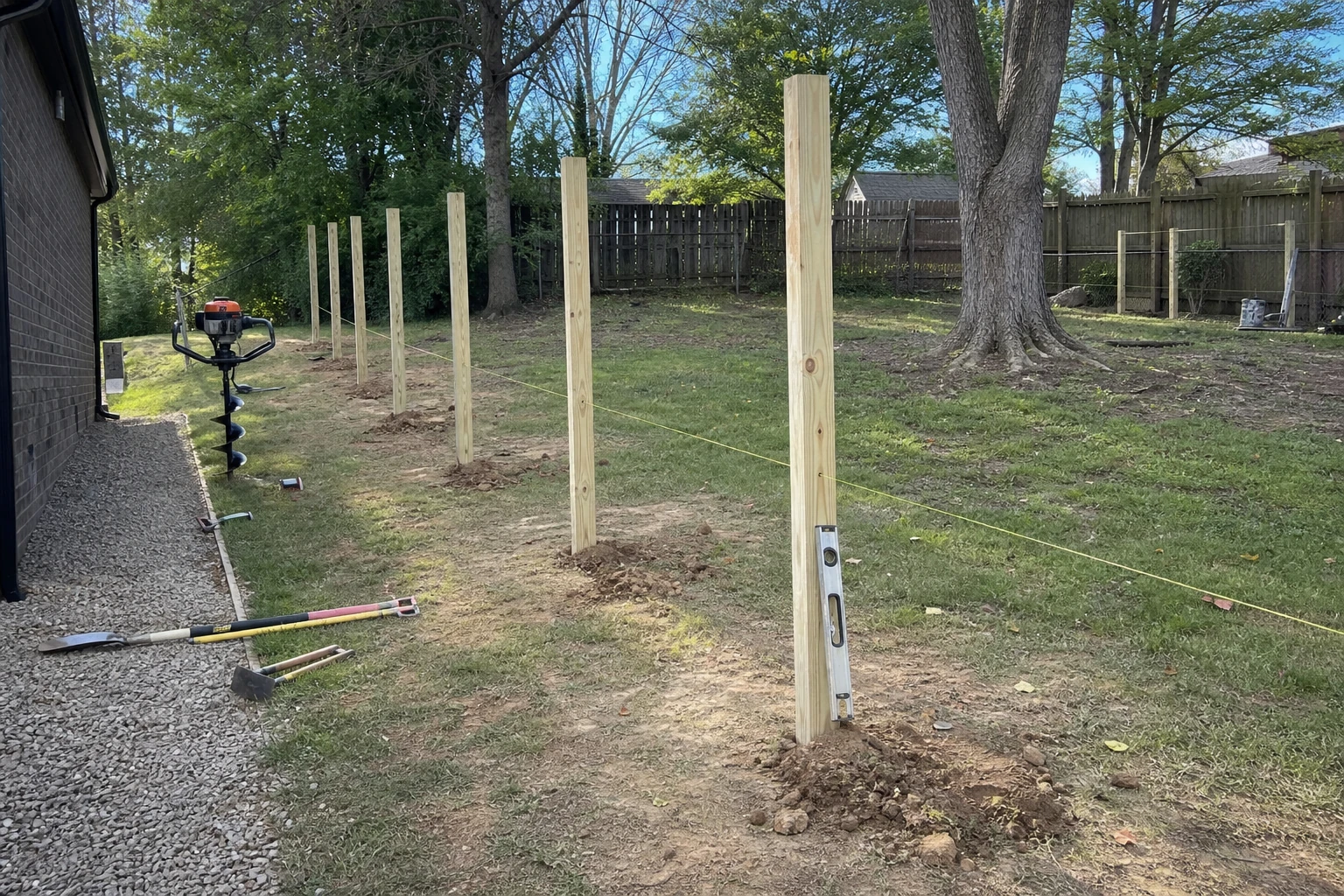
Plan long runs
A consistent terminal and line-post layout can suit extended boundaries when grade and corners are documented.
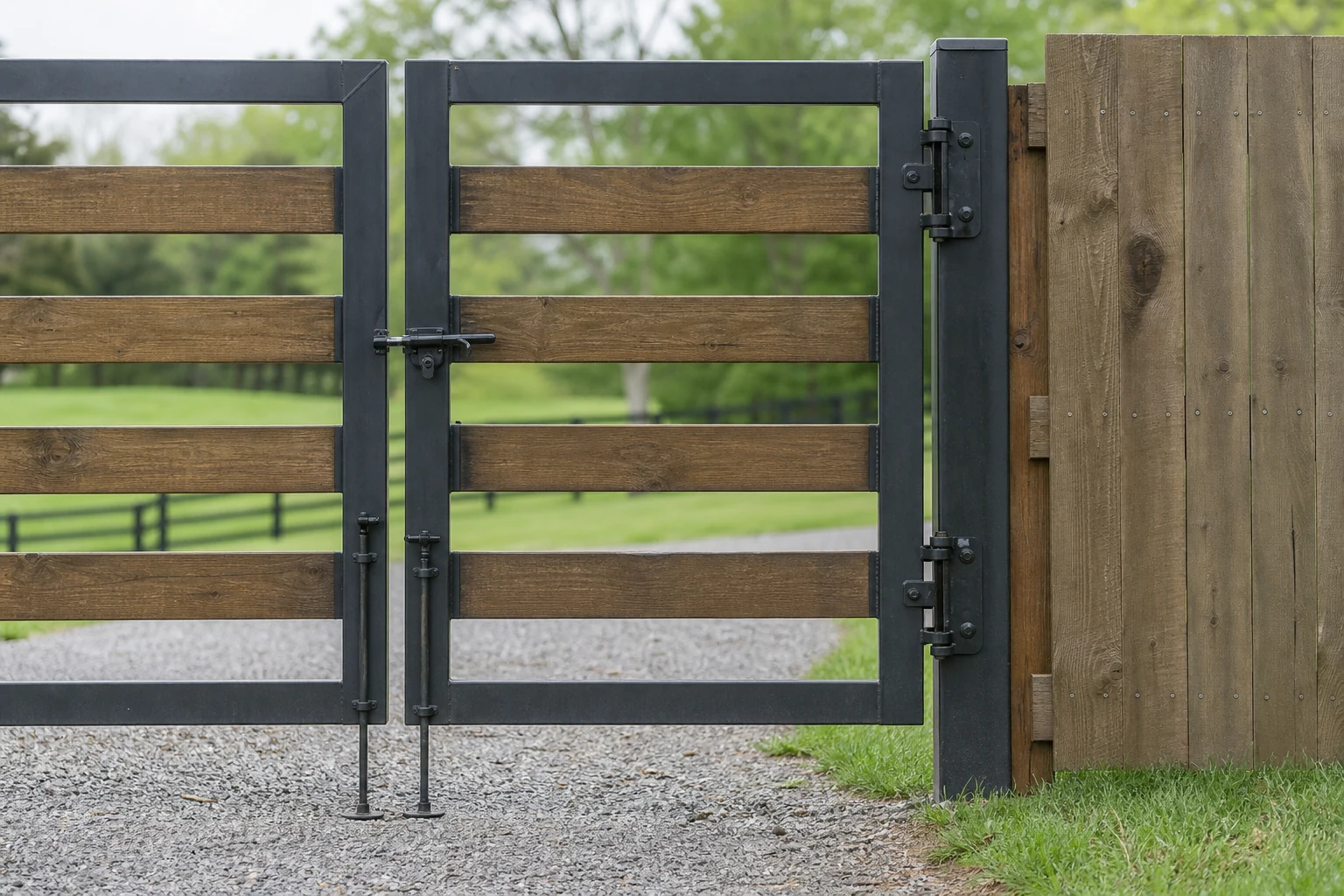
Build around access
Walk gates, equipment openings, and vehicle gates can be sized around actual use and approach space.
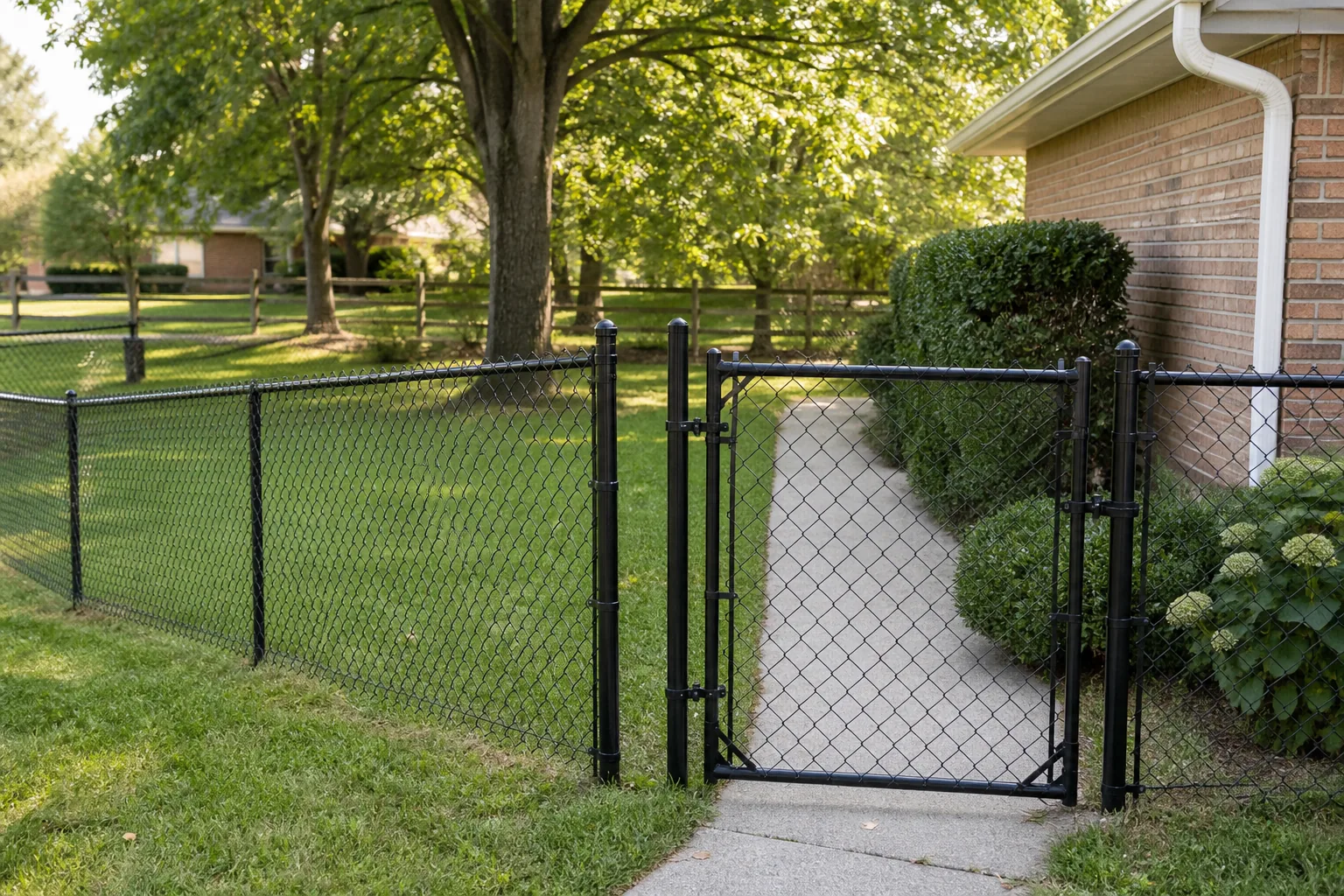
Project detail
Residential chain-link fence
Notice the clear opening, approach, swing, support, hardware, and nearby transitions that shape how the opening needs to work.
Make the decision concrete
Where chain link fence installation fits
Start with the intended use, then review the site conditions and choices that can change the scope.
Good fit when
Chain link scope changes with height, fabric, coating, terminal posts, rails or tension systems, gates, slope, and site use. Residential yard fencing is not the same request as a commercial access line. Describe the enclosure purpose so the specification can follow the work.
- Residential and commercial boundaries where visibility, durable enclosure, gate access, and practical long runs matter.
- A defined fence line, a clear use for the enclosure, and enough property detail to compare a practical scope.
- Key choices: height, mesh and coating direction, terminal layout, top treatment, gates, and any screening request.
- The property details can be documented without relying on unsupported assumptions.
Scope-changing details
Powered gate operators, access-control electronics, specialty security assemblies, and engineered or code determinations are outside the base fence description unless specifically documented in the written scope. A vehicle opening should be planned around actual movement, not a guessed standard width.
- Residential yard, commercial perimeter, equipment area, or another use
- Galvanized or coated appearance direction
- Walk gate, double gate, or vehicle-opening dimensions
- Privacy slats, bottom treatment, or special top treatment if requested
Record known conditions, open questions, and unresolved responsibilities before materials or layout are treated as settled.
Compare practical directions
Chain Link Fence Installation options and use cases
These are planning categories, not promises that every system or variation fits every site.
Residential enclosure
A yard layout can prioritize people, pets, visibility, and practical walk-gate placement.
Commercial perimeter
A business request may emphasize access control, vehicle movement, long runs, and durable terminals.
Equipment area
A focused enclosure can define a service or storage zone without screening the entire site.
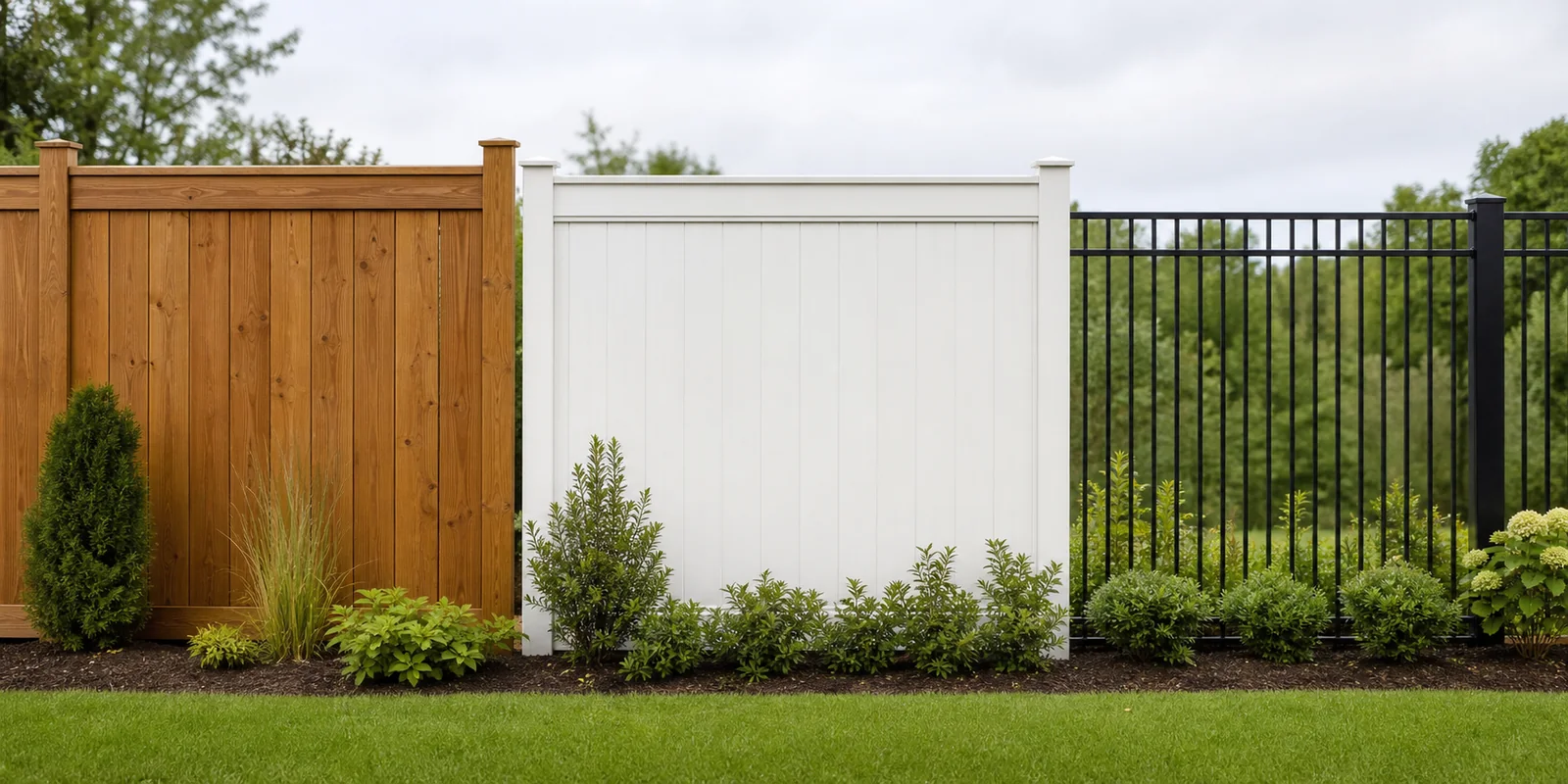
Coated finish
A colored coating can change the visual presence while compatible fabric and components need to be specified.
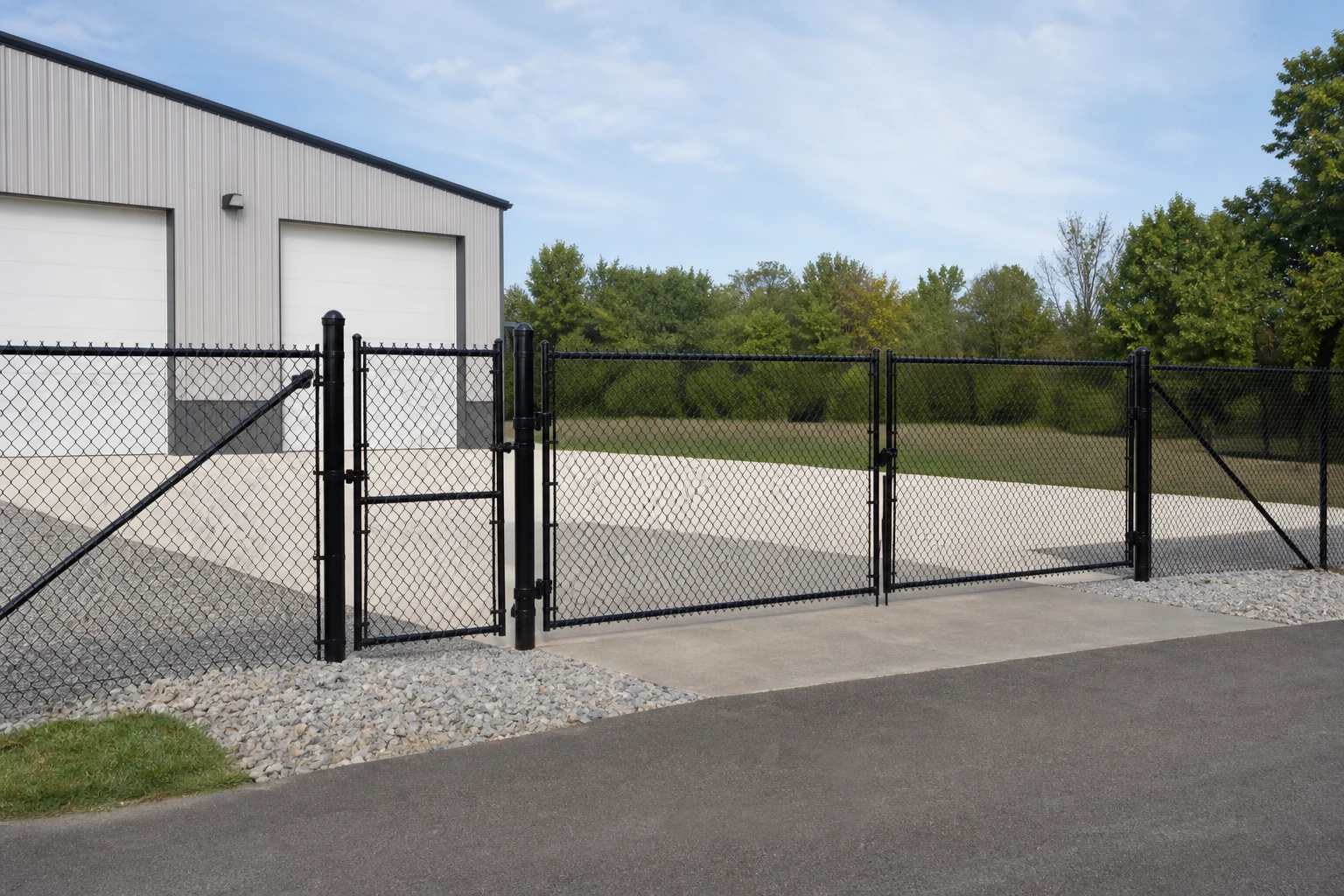
Project detail
Commercial pedestrian and vehicle gates
Notice the clear opening, approach, swing, support, hardware, and nearby transitions that shape how the opening needs to work.
A clear path
From request to a defined chain link fence installation scope
The same four-step rhythm keeps project details, site context, decisions, and next actions easy to follow.
Share the location
Send the property address, contact details, desired outcome, approximate dimensions, and the photos that explain the route or work area.
Show the conditions
Document grade, access, existing materials, structures, hardscape, vegetation, drainage, utilities, and every gate or transition.
Compare the scope
Review the chain link fence installation direction, exclusions, owner responsibilities, material choices, and any information still needed.
Confirm next steps
Use the written conversation to confirm what is being considered before treating layout, material, preparation, or approvals as settled.
Prepare a useful request
Measure broadly, photograph clearly, and label uncertainty
Include these project details
A rough sketch and overlapping photos usually explain more than one close-up image.
- State the enclosure use and desired finished height
- Measure each gate opening and show approach or turning space
- Mark corners, endpoints, grade changes, and pavement transitions
- Identify any requested screening, bottom gap concern, or top treatment
Confirm the site context
Keep measurements, photos, access, and responsibilities clear before the scope is finalized.
- Label preliminary measurements as approximate and identify any uncertain endpoints
- Show corners, openings, grade changes, adjoining work, and the full access route
- Photograph transitions and constraints from more than one useful angle
- Confirm property-line, utility, HOA, permit, and code responsibilities separately
Common questions
Chain Link Fence Installation FAQ
These answers frame the first conversation. Site conditions and the requested scope still control the project details.
Can chain link include privacy screening?
Privacy slats or another screening request can be discussed, but the added material, wind exposure, appearance, and component compatibility need review.
What gate widths are available?
Gate width should follow actual pedestrian, mower, equipment, trailer, or vehicle use. Share the required clear opening and approach conditions.
Can chain link cross pavement?
Pavement and hard-surface transitions change access and installation planning. Show every surface change and identify ownership or restoration expectations.
Is black chain link the only coated option?
Available colors and components vary. State the desired appearance and allow the compatible system to be confirmed.
Can residential and commercial chain link use the same specification?
Not necessarily. Height, fabric, posts, terminals, gates, use, and site conditions can justify different specifications.
Get your free estimate
Send the details that shape the work.
For chain link fence installation, send the property location, intended result, approximate dimensions, material direction, gates or openings, existing conditions, access constraints, and clear photos. Do not wait for perfect drawings; label rough information honestly so the first review starts from useful facts.
Request a KY Fencing Works estimate
Share the property location, the work you need, useful dimensions, access notes, and any helpful photos.